
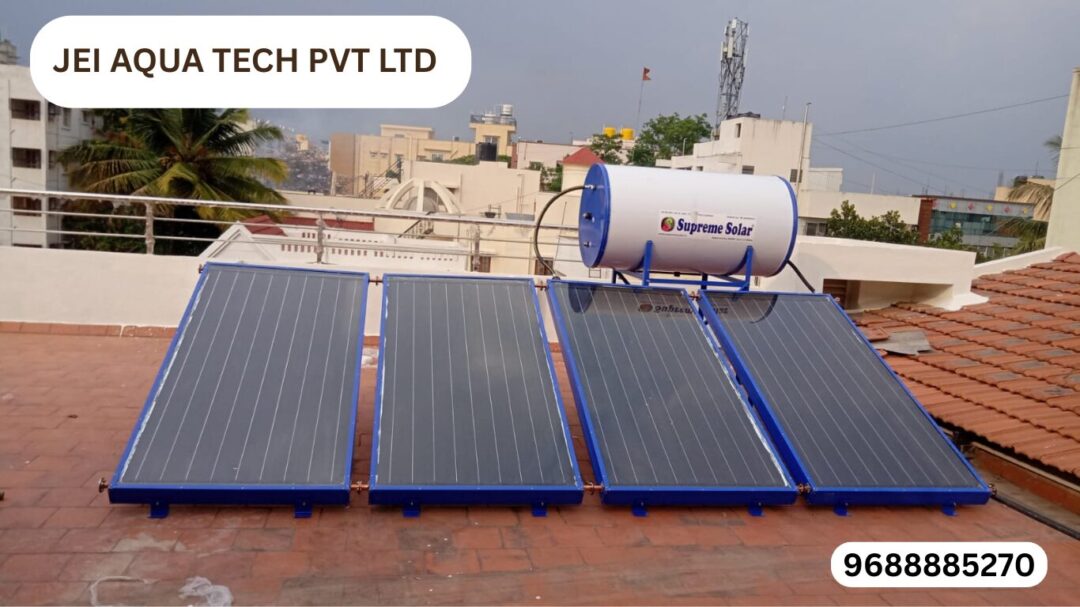
Solar Water Heater for Home
As energy costs continue to rise and environmental concerns grow, homeowners and businesses are actively searching for sustainable alternatives. One of the most reliable and eco-friendly solutions available today is the solar water heater. By harnessing the power of the sun, solar water heaters provide hot water efficiently while significantly reducing electricity or gas consumption.
What Is a Solar Water Heater?
A solar water heater is a system that uses sunlight to heat water for domestic, commercial, or industrial use. It typically consists of solar collectors, an insulated storage tank, and connecting pipes. The collectors absorb solar energy and transfer the heat to water, which is then stored for use throughout the day.
Types of Solar Water Heaters
1. Flat Plate Collector (FPC) Systems
These are the most common and cost-effective systems, ideal for moderate climates and residential use.
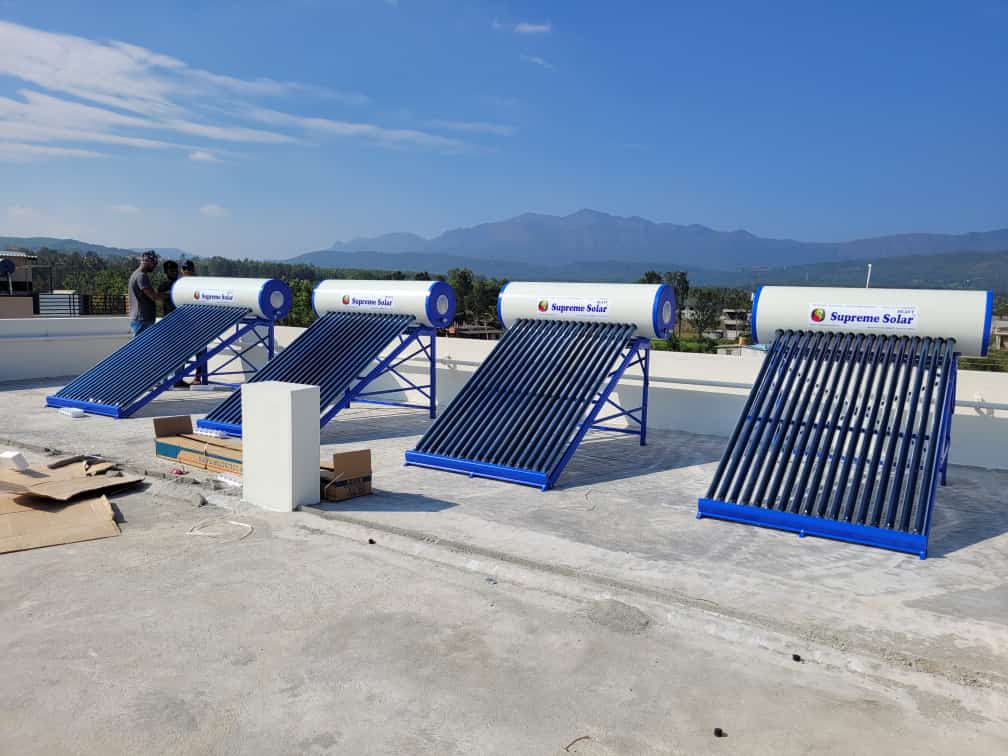
2. Evacuated Tube Collector (ETC) Systems
Known for higher efficiency, these systems perform well even in colder or cloudy conditions.
3. Active and Passive Systems
Active systems use pumps and controllers for water circulation.
Passive systems rely on natural convection and are simpler and more durable.
Benefits of Solar Water Heater
1. Significant Cost Savings
Once installed, solar water heaters can reduce water heating bills by up to 70 percent, making them a smart long-term investment.
2. Environmentally Friendly
Solar energy is clean and renewable, helping reduce carbon emissions and dependence on fossil fuels.
3. Low Maintenance
Solar water heating systems require minimal maintenance and have a long operational life, often exceeding 15 to 20 years.
4. Energy Independence
By relying on sunlight, users are less affected by electricity price hikes and power outages.
Applications of Solar Water Heater for home
Residential homes and apartments
Hotels and resorts
Hospitals and nursing homes
Hostels and educational institutions
Industrial and commercial facilities
Things to Consider Before Installation
Sunlight availability and roof orientation
Daily hot water requirement
Local climate conditions
Tank capacity and system type
Quality and certification of the system
Consulting a professional installer helps ensure optimal system design and performance.
buy Solar Water Heaters Are the Future?
With increasing awareness of sustainability and rising energy costs, solar water heaters are becoming a standard feature in modern buildings. They not only offer financial savings but also contribute to a greener planet. As technology advances, solar water heating systems are becoming more efficient, affordable, and accessible.
Conclusion
Investing in a solar water heater is a practical step toward sustainable living. It delivers reliable hot water, lowers energy bills, and reduces environmental impact. Whether for a home or a large commercial facility, a solar water heater is a smart, future-ready solution that pays for itself over time.
Which type of solar water heater is best?
The “best” type of solar water heater depends primarily on your local climate and specific needs (e.g., desired water temperature, budget). The two main types are evacuated tube collectors (ETC) and flat plate collectors (FPC).
Are solar hot water heaters worth it?
Yes, solar water heaters are a highly worthwhile investment, especially in sunny regions like Chennai, due to significant long-term cost savings on energy bills, low maintenance requirements, and substantial environmental benefits.
What are the disadvantages of a solar water heater?
While solar water heaters offer great benefits, they do come with certain disadvantages that are important to consider:
High Upfront Cost:
The primary drawback is the initial installation cost, which is significantly higher than that of traditional electric or gas water heaters [1]. This barrier can be a significant factor for many homeowners, even with available subsidies.
Weather Dependency:
The performance of the system relies entirely on the weather. On cloudy days, during heavy rain, or overnight, the system generates little to no heat. This necessitates a conventional backup heater (electric or gas) to ensure a consistent supply of hot water.
Installation & Space Requirements:
Solar panels require a suitable, unshaded roof space with optimal sun exposure. The installation process can be more complex than installing a standard water heater and may not be feasible for all properties, particularly apartment buildings with limited roof access.https://jeiaquatech.in/solar-water-heater/
Aesthetics:
Some people consider the large panels or evacuated tubes installed on the roof to be aesthetically unappealing or bulky, which can sometimes be a concern for property owners or homeowner associations



-
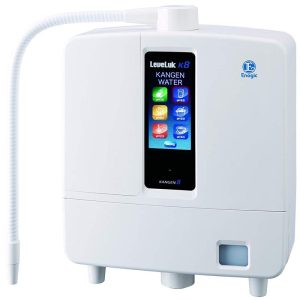
 Kangen Water Machine Leveluk K8₹ 343,000
 -
Kangen Water Machine Leveluk JRIV₹ 218,000
-
Kangen Water Machine Leveluk SD 501₹ 277,000
-
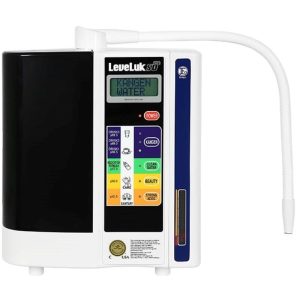
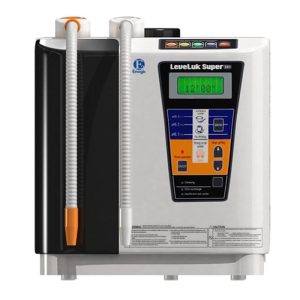
Kangen Water Machine Leveluk Super 501₹ 397,000

-
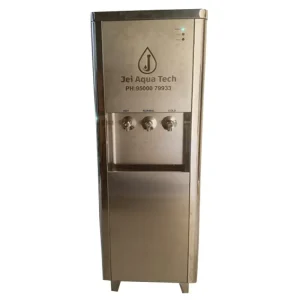
Product on sale50 LPH RO+Hot+Cold Water DispenserOriginal price was: ₹ 82,000.₹ 75,000Current price is: ₹ 75,000.
-
Product on sale25 LPH RO+Hot+Cold Water DispenserOriginal price was: ₹ 66,000.₹ 64,900Current price is: ₹ 64,900.
-
Product on saleNormal+Hot+Cold Water Dispenser NHC 150Original price was: ₹ 58,500.₹ 57,800Current price is: ₹ 57,800.
Leave a Reply
You must be logged in to post a comment.