
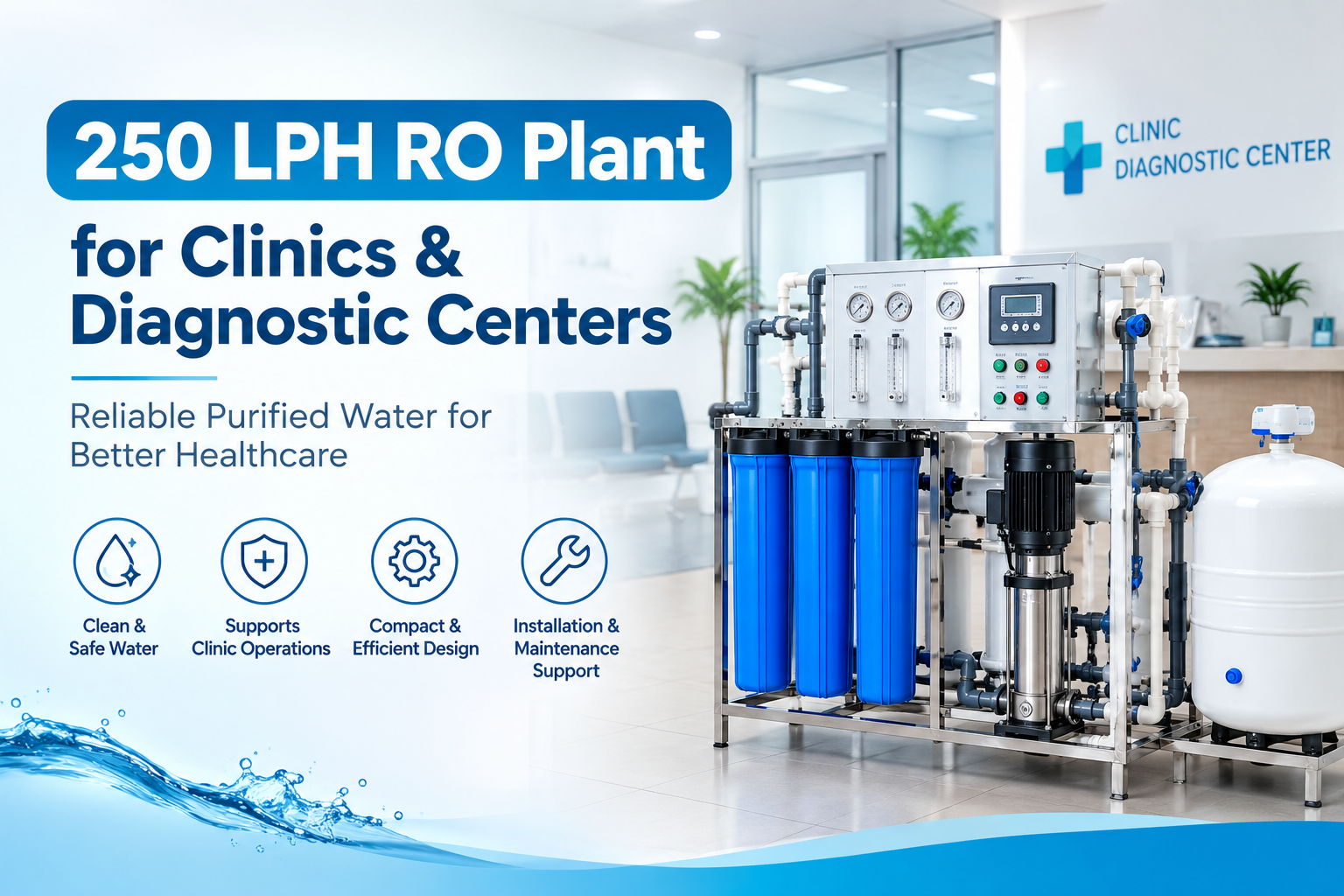
Clinics and diagnostic centers need a dependable water treatment system for drinking water, cleaning, equipment-related applications and other daily operations. Water quality can vary depending on the source, especially when the facility uses borewell or other untreated water sources.
A 250 LPH RO Plant for clinics can be a practical option for facilities with moderate water requirements. It can reduce dissolved salts and several contaminants through reverse osmosis, while a properly designed pretreatment and post-treatment system can help improve overall water quality.
However, it is important to understand that an RO plant by itself does not automatically make water suitable for every medical or laboratory application. The required water quality depends on how the treated water will be used. Healthcare and laboratory applications may require additional filtration, disinfection, polishing or specific testing.
What Is a 250 LPH RO Plant?
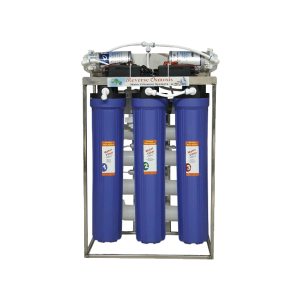
A 250 LPH RO plant is a commercial reverse osmosis water treatment system designed to produce approximately 250 litres of treated water per hour, depending on the feed-water quality, operating conditions and system design.
For smaller clinics, diagnostic centers, dental clinics, offices and similar facilities, a 250 LPH capacity can provide a useful balance between production capacity and system size.
The actual capacity required should be selected based on:
- Daily water consumption
- Peak-hour demand
- Raw water quality
- Number of users
- Equipment requirements
- Storage tank capacity
- Operating hours
- Required treated-water quality
A proper water analysis before installation helps determine the suitable treatment stages and equipment configuration.
Why Clinics Need Proper Water Treatment
Water is used for many different purposes inside a healthcare facility. These can include drinking, handwashing, cleaning, housekeeping and certain equipment-related applications.
Water quality is particularly important in healthcare environments because water systems can potentially contribute to microbial risks if they are poorly managed. The CDC recommends healthcare facilities assess their water sources, usage, plumbing conditions and potential exposure risks as part of water-management practices.
For this reason, choosing an RO plant should not be based only on capacity. The complete treatment process and maintenance plan are equally important.
How Does a 250 LPH RO Plant Work?
A typical commercial RO plant may include several treatment stages before and after the RO membrane.
1. Raw Water Collection
Raw water from the borewell, municipal supply or storage tank enters the treatment system.
Before selecting the equipment, the water should ideally be tested for parameters such as:
- TDS
- Hardness
- Iron
- Turbidity
- pH
- Chloride
- Microbiological quality
The test results help determine the required pretreatment.
2. Pretreatment
Pretreatment protects the RO membrane and improves system performance.
Depending on the raw-water condition, pretreatment can include:
- Pressure sand filter
- Activated carbon filter
- Iron removal filter
- Water softener
- Micron cartridge filter
For example, water containing high turbidity or suspended particles may require suitable filtration before reaching the RO membrane.
3. Micron Filtration
A micron cartridge filter can provide additional protection before the RO membrane by removing smaller suspended particles that may remain after the earlier filtration stages.
4. Reverse Osmosis
The RO membrane is the main purification stage.
Under pressure, water passes through the semipermeable membrane while many dissolved substances are rejected and discharged through the reject stream.
RO technology can reduce several dissolved contaminants, including total dissolved solids, nitrates and certain metals, depending on the membrane, feed-water conditions and system design.
5. Post-Treatment
The final treatment stages depend on the intended use of the water.
Possible components may include:
- UV disinfection
- Ozone
- Mineral adjustment
- Additional cartridge filtration
- Storage and distribution controls
The correct configuration should be selected according to the required water-quality specification.
Is 250 LPH RO Suitable for a Diagnostic Center?
It can be suitable for a small or medium diagnostic facility when the calculated water demand matches the system capacity.
For example, a diagnostic center may require treated water for drinking, housekeeping and selected operational purposes. A 250 LPH system can provide treated water continuously during operating hours and can be connected to a suitable treated-water storage tank.
However, laboratory testing applications may have specific water-quality requirements. Water intended for clinical laboratory reagent use should follow the applicable laboratory requirements rather than assuming that standard drinking-water RO is sufficient. CDC guidance specifically notes that special uses such as clinical laboratory reagent water should follow appropriate specialized guidelines.
“Medical Grade Water” Does Not Mean RO Alone
The phrase medical grade water can refer to different quality requirements depending on the application.
Water used for drinking inside a clinic is different from water required for laboratory testing, instrument rinsing, sterilization or other specialized applications.
For higher-purity applications, additional treatment may be required. Depending on the specification, a system can involve combinations such as:
RO → UV → Ultrafiltration → EDI/DI
or other suitable treatment sequences.
WHO guidance on purified water systems states that reverse osmosis, ion exchange and ultrafiltration can be used individually or in combination, depending on feed-water quality and the required water-quality specification. It also emphasizes appropriate monitoring and microbial control.
Therefore, the correct approach is to identify the intended application first and then design the water treatment system around the required specification.
Benefits of a 250 LPH RO Plant for Clinics
A properly designed system can offer several practical benefits:
Consistent Treated Water
The plant can provide a controlled supply of treated water during clinic operating hours.
Reduced Dissolved Solids
RO can significantly reduce TDS and several dissolved contaminants when the system is correctly selected and maintained.
Suitable for Moderate Demand
A 250 LPH capacity can work for facilities that do not require the output of a large industrial RO plant.
Customizable Treatment
Pretreatment and post-treatment can be selected according to raw-water test results and the intended application.
Easier Maintenance
A compact commercial RO system can be organized with accessible filters, pumps, membranes and control components for routine servicing.
Maintenance of a 250 LPH RO Plant
Regular maintenance is essential for reliable operation.
Important maintenance activities include:
- Checking raw-water quality
- Replacing sediment filters
- Servicing activated carbon filters
- Checking RO membrane performance
- Monitoring pressure
- Checking TDS and conductivity
- Inspecting pumps and electrical controls
- Sanitizing suitable system components
- Checking storage tanks
- Inspecting pipelines and fittings
RO systems also need proper disinfection and maintenance because treated-water systems can still become contaminated if they are not managed correctly. CDC guidance notes that RO systems used in healthcare-related applications require appropriate disinfection and maintenance to reduce downstream microbial contamination.
Why Water Testing Should Come Before Installation
There is no single RO configuration that is ideal for every clinic.
A borewell in one location may have high hardness and iron, while another source may have high TDS or different contamination characteristics.
Water testing helps determine:
Raw water quality → Pretreatment → RO membrane selection → Post-treatment → Storage → Distribution
This approach can help avoid unnecessary equipment and ensure the treatment system is designed around the actual water condition.
250 LPH RO Plant Installation by Jei Aqua Tech
Jei Aqua Tech provides commercial water treatment solutions for clinics, diagnostic centers, offices, commercial buildings and other establishments.
For a 250 LPH RO Plant for clinics, the system can be planned based on the facility’s water consumption, raw-water quality, installation space and intended application.
Our team can assist with:
- RO plant selection
- Raw-water assessment
- Pretreatment design
- 250 LPH RO plant installation
- RO membrane selection
- UV and post-treatment options
- Storage tank integration
- RO plant servicing
- Filter and membrane replacement
- Regular maintenance
For specialized laboratory or healthcare applications, the required water-quality specification should be confirmed before finalizing the treatment configuration.
Final Thoughts
A 250 LPH RO Plant for clinics and diagnostic centers can provide a practical treated-water solution for facilities with moderate water requirements. But the right system should be selected based on raw-water quality and the exact purpose for which the treated water will be used.
RO can be an important part of the treatment process, but specialized medical or laboratory applications may require additional purification, disinfection and quality testing.
If you are planning a 250 LPH RO plant for a clinic or diagnostic center, start with a water-quality test and daily consumption assessment. Jei Aqua Tech can help evaluate the requirement and plan a suitable commercial RO water treatment system.

Written by Seoadmin


-
Sale Product on sale
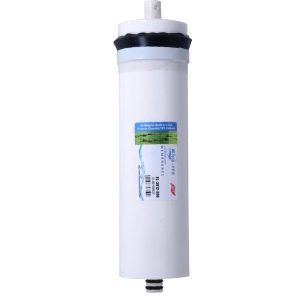
 300 GPD Hi-Tech RO Membrane
₹ 3,500Original price was: ₹ 3,500.₹ 2,700Current price is: ₹ 2,700. -
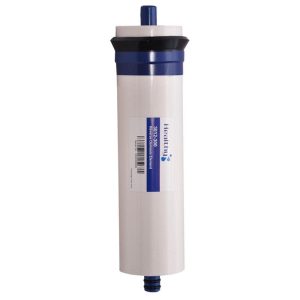
Sale Product on saleVontron 300 Gpd RO Membrane
₹ 3,500Original price was: ₹ 3,500.₹ 3,000Current price is: ₹ 3,000. -
Sale Product on sale300 Gpd Healthy RO Membrane
₹ 4,200Original price was: ₹ 4,200.₹ 3,700Current price is: ₹ 3,700. -
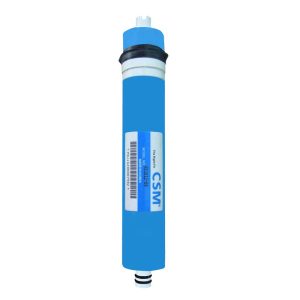
Sale Product on saleCsm 80 GPD Membrane
₹ 2,500Original price was: ₹ 2,500.₹ 1,600Current price is: ₹ 1,600.

-
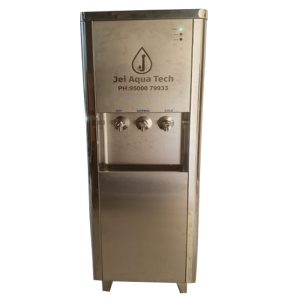
Sale Product on sale50 LPH RO+Hot+Cold Water Dispenser
₹ 82,000Original price was: ₹ 82,000.₹ 75,000Current price is: ₹ 75,000. -
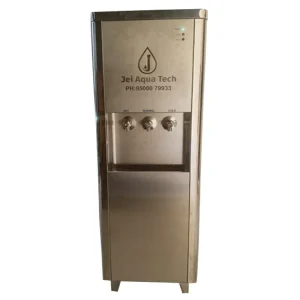
Sale Product on sale25 LPH RO+Hot+Cold Water Dispenser
₹ 66,000Original price was: ₹ 66,000.₹ 64,900Current price is: ₹ 64,900. -
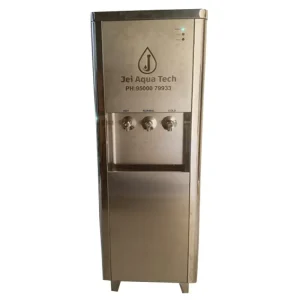
Sale Product on saleNormal+Hot+Cold Water Dispenser
₹ 58,500Original price was: ₹ 58,500.₹ 57,800Current price is: ₹ 57,800.


Leave a Reply
You must be logged in to post a comment.