
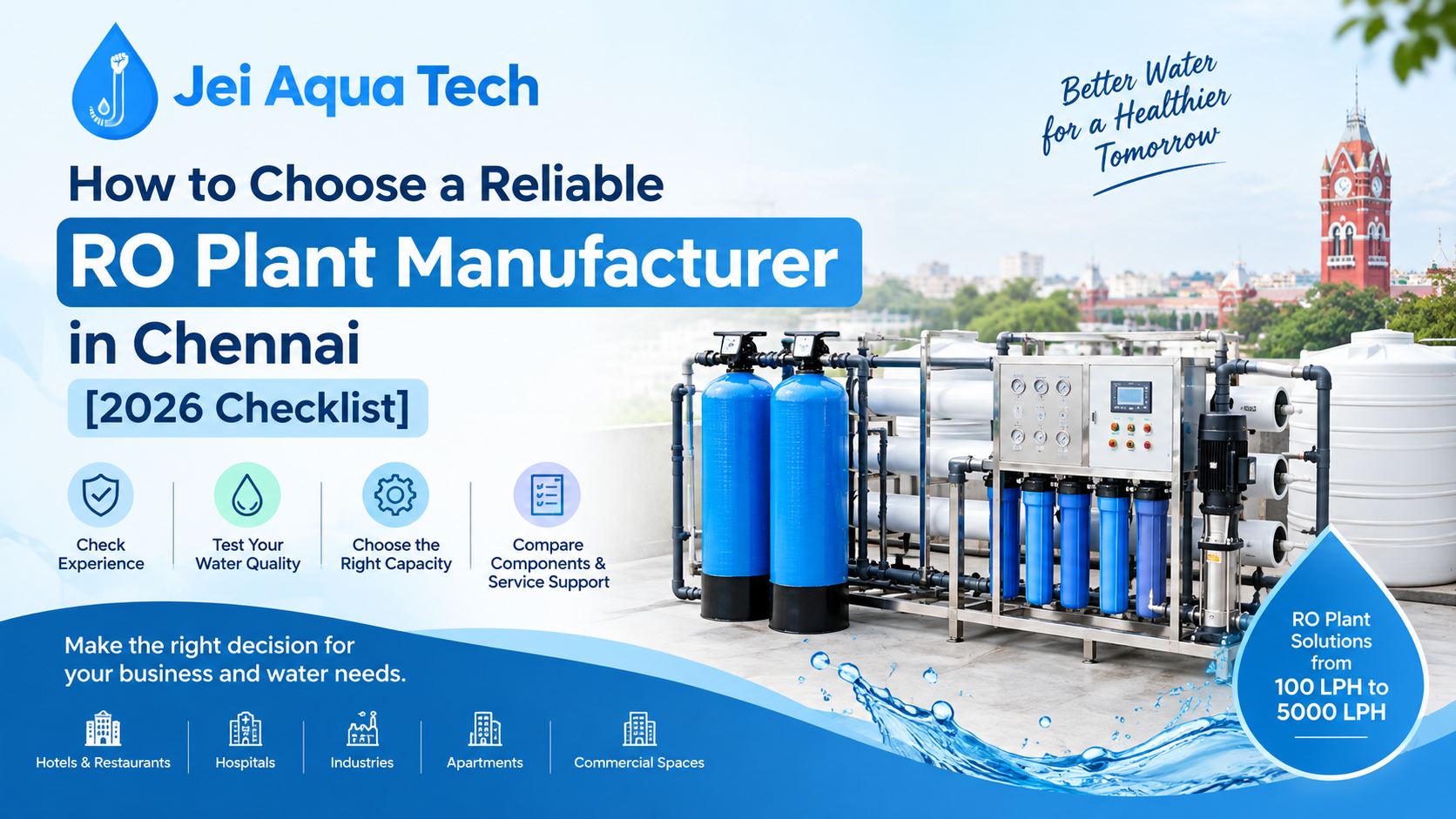
Choosing an RO plant manufacturer in Chennai is an important decision for businesses that depend on a consistent supply of purified water. Hotels, restaurants, hospitals, schools, industries, apartments, offices and manufacturing units may all have different water requirements.
However, selecting an RO plant should not be based only on the quoted price or LPH capacity. Raw-water quality, daily consumption, pretreatment, membrane selection, installation requirements, automation and after-sales service can all affect the long-term performance of the system. Recent 2026 buying guides also recommend evaluating water quality, production requirements, site conditions and lifecycle costs before finalizing an RO system.
If you are searching for a reliable RO plant manufacturer in Chennai, this checklist can help you compare suppliers and ask the right questions before purchasing.
1. Check the Manufacturer’s Experience
Start by checking how long the company has been involved in water treatment and RO plant projects.
An experienced manufacturer should be able to understand different applications and explain why a particular RO configuration is suitable for your site.
Ask the manufacturer about:
- Previous RO plant installations
- Commercial and industrial applications
- Available plant capacities
- Installation experience
- Maintenance and service support
- Replacement spare parts
A manufacturer who understands the complete water-treatment process can help avoid problems caused by choosing equipment based only on capacity or price.
2. Test Your Raw Water Before Selecting the RO Plant
One of the most important steps is raw-water testing.
Water from borewells, municipal sources and tankers can have significantly different characteristics. Parameters such as TDS, hardness, pH, turbidity, iron and other impurities can influence the treatment design.
Before asking for a final quotation, provide the manufacturer with your latest water-analysis report if available.
The manufacturer can then determine whether the RO plant requires additional pretreatment such as:
- Pressure sand filter
- Activated carbon filter
- Water softener
- Iron removal filter
- Micron filtration
- Other application-specific treatment
This is particularly important for Chennai sites using borewell water.
3. Select the Correct RO Plant Capacity
Do not select an RO plant simply because a higher LPH capacity sounds better.
First calculate your actual requirement.
For example, commercial RO plants may be available in capacities such as:
- 100 LPH
- 250 LPH
- 500 LPH
- 1000 LPH
- 2000 LPH
- 3000 LPH
- 5000 LPH
The correct capacity depends on daily consumption, operating hours and peak demand.
Jei Aqua Tech’s published RO plant guide lists capacities from 100 LPH to 5000 LPH for different commercial and industrial applications.
A properly sized system can help prevent both insufficient production and unnecessary equipment costs.
4. Understand the Pretreatment System
The RO membrane is not the only important component.
Depending on the raw-water characteristics, pretreatment may be required before water reaches the RO membrane.
For example:
Raw Water → Sand Filter → Activated Carbon Filter → Softener → Micron Filter → RO Plant
The actual configuration should be based on the water analysis rather than using the same setup for every project.
Proper pretreatment can help protect the RO membrane and support consistent system performance.
5. Ask About RO Membranes and Major Components
When comparing quotations from different RO plant suppliers in Chennai, don’t compare only the final price.
Ask what components are included.
Important items may include:
- RO membranes
- High-pressure pump
- Pressure vessels
- Cartridge filters
- Control panel
- Flow meters
- Pressure gauges
- Electrical components
- Storage tanks
- Pretreatment equipment
- Piping and valves
Ask the manufacturer to clearly mention the major components and specifications in the quotation.
This makes it easier to compare two quotations accurately.
6. Check Installation and Site Requirements
An RO plant requires suitable space, water connections, drainage and electrical arrangements.
Before installation, discuss:
- Available installation area
- Raw-water inlet
- Purified-water outlet
- Reject-water outlet
- Electrical requirements
- Storage tank location
- Drainage
- Plumbing requirements
- Equipment accessibility for maintenance
Installation requirements can vary considerably from one site to another. Therefore, the equipment price alone may not represent the complete project cost.
A recent Chennai-specific 500 LPH cost guide also highlights plumbing, electrical work, storage, pretreatment and site conditions as factors that can affect the overall project investment.
7. Compare Warranty and After-Sales Service
An RO plant is a long-term investment. Service support is therefore an important part of the purchasing decision.
Before placing the order, ask:
- What is the warranty period?
- What does the warranty cover?
- Is installation included?
- How are service complaints handled?
- Are spare parts available?
- How often should the plant be serviced?
- What is the expected membrane replacement schedule?
- Is operator guidance provided?
A supplier who provides installation and ongoing technical support can make plant operation easier after commissioning.
For example, Jei Aqua Tech’s published 500 LPH RO plant information states a 1-year warranty, along with service support terms for that listed model.
8. Don’t Compare RO Plant Price Alone
The lowest quotation is not necessarily the lowest overall cost.
Consider the total cost of ownership, including:
RO Plant + Pretreatment + Installation + Electricity + Membranes + Consumables + Maintenance + Spare Parts
A cheaper system may have different components, lower automation or higher maintenance requirements.
Instead of asking only, “What is the RO plant price?”, ask:
“What exactly is included in the quotation?”
This gives you a more meaningful comparison between manufacturers.
9. Choose a Manufacturer That Understands Your Application
RO requirements differ according to the application.
A plant for a restaurant may have different requirements from one used in:
- Hotels
- Hospitals
- Schools
- Apartments
- Food-processing units
- Manufacturing industries
- Laboratories
- Commercial buildings
The manufacturer should understand your application, water source, production requirement and desired treated-water quality before recommending the equipment.
10. 2026 RO Plant Manufacturer Checklist
Before finalizing an RO plant manufacturer in Chennai, use this checklist:
Checkpoint | What to Ask |
Manufacturer experience | How many similar projects have you handled? |
Water testing | Is raw-water analysis reviewed before designing the system? |
Capacity | Is the LPH capacity suitable for my actual demand? |
Pretreatment | What pretreatment is required for my water? |
Components | Which membranes, pumps and major components are included? |
Installation | What installation work is included? |
Automation | What level of automatic operation is provided? |
Warranty | What is covered under warranty? |
Service | How are breakdowns and maintenance handled? |
Spare parts | Are replacement parts readily available? |
Total cost | Are plumbing, electrical and site works included? |
Documentation | Will I receive specifications and operating guidance? |
Why Consider Jei Aqua Tech for RO Plant Requirements in Chennai?
Jei Aqua Tech provides RO plant solutions for commercial and industrial water-treatment requirements in Chennai.
The company publishes RO plant options ranging from 100 LPH to 5000 LPH, allowing customers to consider different capacities according to their application and water demand.
For a proper recommendation, customers should provide details such as their water source, water-analysis report, required capacity, daily consumption, application and available installation space. This allows the RO plant configuration and pretreatment requirements to be considered according to the actual project rather than simply selecting a standard machine.
Final Checklist Before You Buy
Choosing an RO plant manufacturer in Chennai should involve more than comparing three or four prices.
Before making a purchase, make sure you have:
- Tested the raw water.
- Calculated your actual water requirement.
- Selected the appropriate LPH capacity.
- Confirmed the pretreatment requirements.
- Checked the major components.
- Reviewed installation requirements.
- Compared warranty terms.
- Asked about after-sales service.
- Checked spare-parts availability.
- Compared the complete project cost.
A properly designed RO plant can provide a more suitable solution for your water-treatment requirement and make long-term operation easier to manage.
If you are planning an RO plant installation in Chennai, Jei Aqua Tech can evaluate your application and help you identify the appropriate plant capacity and treatment configuration based on your water source and requirements.

Written by Seoadmin
-
Sale Product on sale
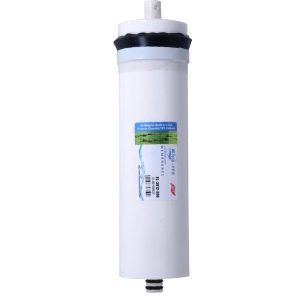
 300 GPD Hi-Tech RO Membrane
₹ 3,500Original price was: ₹ 3,500.₹ 2,700Current price is: ₹ 2,700. -
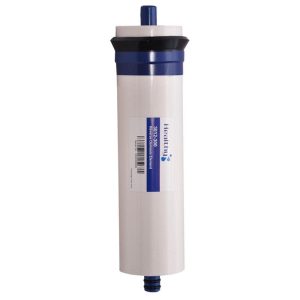
Sale Product on saleVontron 300 Gpd RO Membrane
₹ 3,500Original price was: ₹ 3,500.₹ 3,000Current price is: ₹ 3,000. -
Sale Product on sale300 Gpd Healthy RO Membrane
₹ 4,200Original price was: ₹ 4,200.₹ 3,700Current price is: ₹ 3,700. -
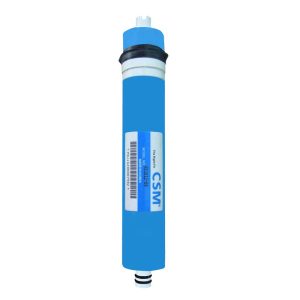
Sale Product on saleCsm 80 GPD Membrane
₹ 2,500Original price was: ₹ 2,500.₹ 1,600Current price is: ₹ 1,600.

-
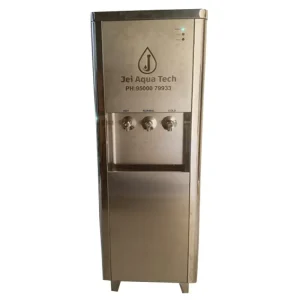
Sale Product on sale50 LPH RO+Hot+Cold Water Dispenser
₹ 82,000Original price was: ₹ 82,000.₹ 75,000Current price is: ₹ 75,000. -
Sale Product on sale25 LPH RO+Hot+Cold Water Dispenser
₹ 66,000Original price was: ₹ 66,000.₹ 64,900Current price is: ₹ 64,900. -
Sale Product on saleNormal+Hot+Cold Water Dispenser
₹ 58,500Original price was: ₹ 58,500.₹ 57,800Current price is: ₹ 57,800.

Leave a Reply
You must be logged in to post a comment.