
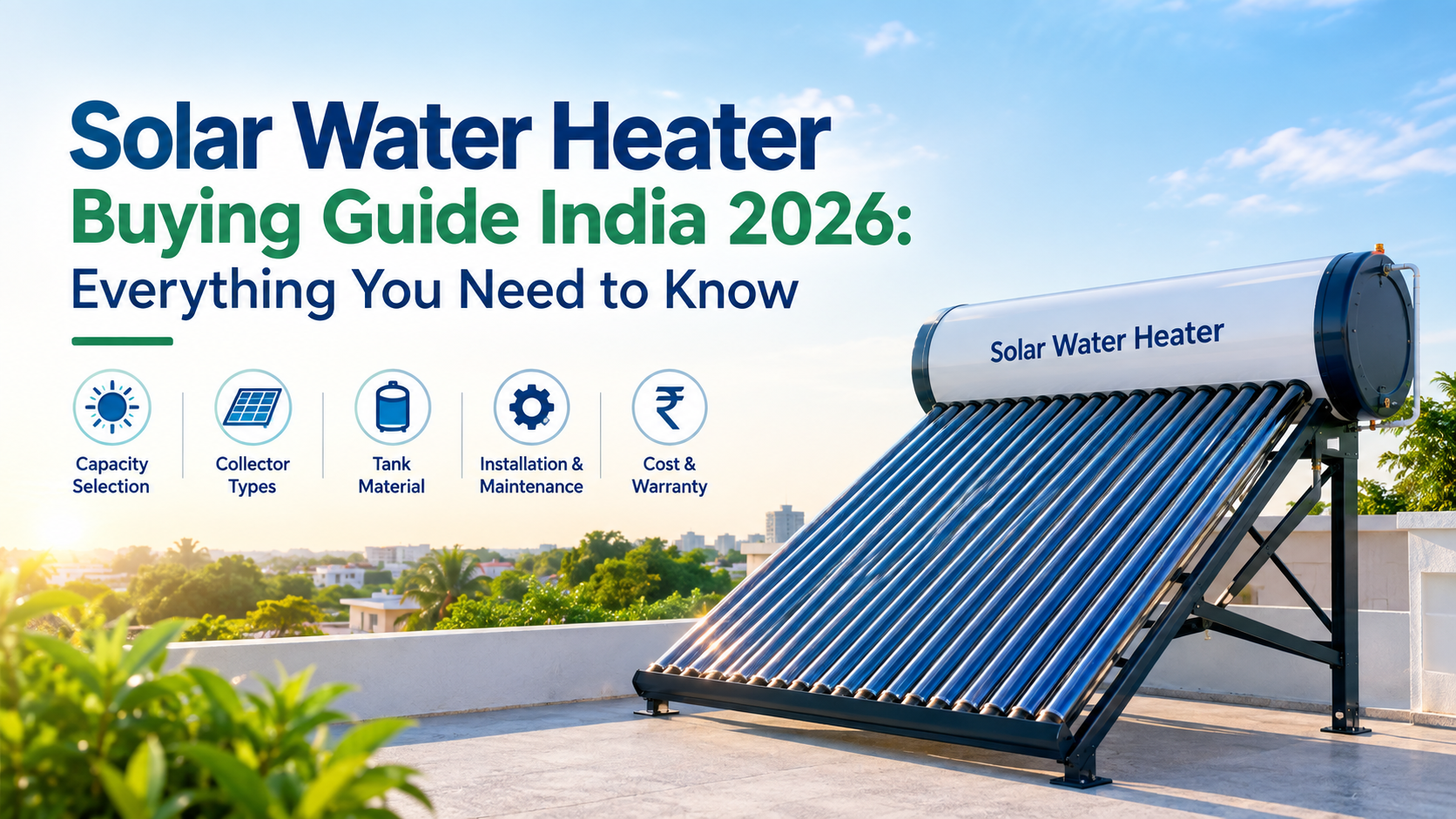
Choosing the right solar water heater can reduce electricity consumption while providing hot water for everyday use. However, with different capacities, collector technologies, tank materials, and installation requirements available, selecting the right system requires some planning.
This Solar Water Heater Buying Guide India 2026 explains the important factors to consider before purchasing a solar water heater for your home, apartment, commercial building, or other property.
What Is a Solar Water Heater?
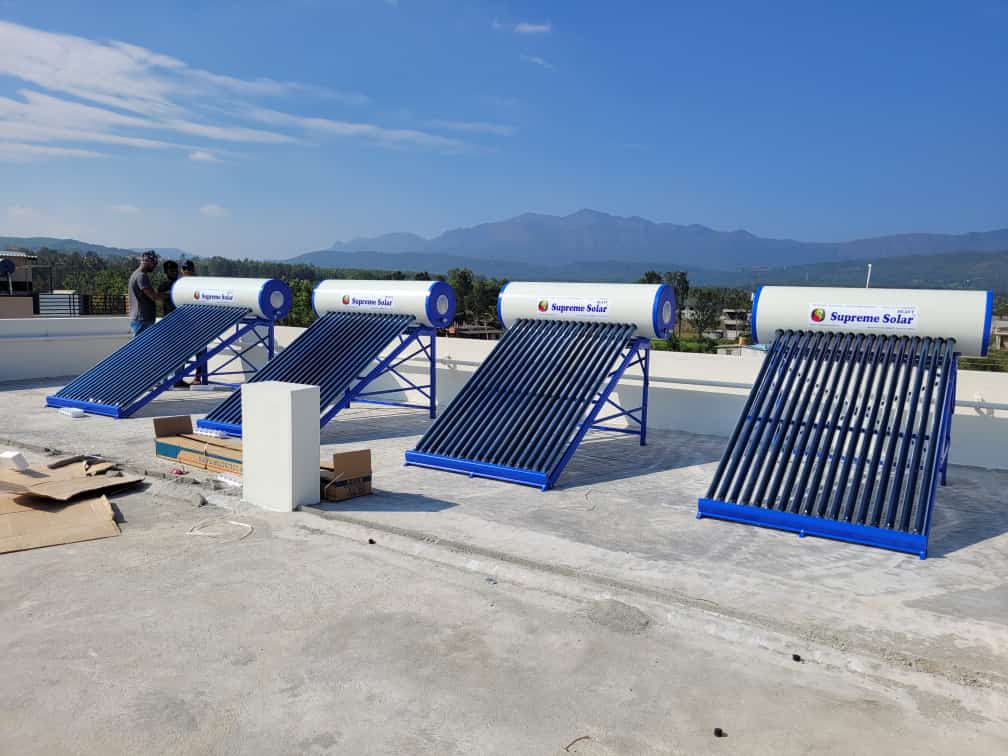
A solar water heater uses sunlight to heat water and store it in an insulated tank for later use. The system generally consists of a solar collector, hot-water storage tank, connecting pipes, insulation, and supporting components.
During sunny hours, solar energy heats the water through the collector. The heated water is then stored in the insulated tank and can be used for bathing, cleaning, and other household requirements.
For locations such as Tamil Nadu, where sunlight is available for much of the year, a properly selected solar water heater can be a practical hot-water solution.
1. Choose the Right Capacity
Capacity is one of the first things to check when buying a solar water heater.
The required capacity depends mainly on the number of people using hot water and their daily consumption.
A general starting point is:
- 100 litres: Suitable for smaller households or limited hot-water requirements
- 150 litres: Suitable for small to medium-sized families
- 200 litres: Suitable for medium-sized families with higher usage
- 250 litres: Useful for larger households or higher hot-water demand
- 300 litres and above: Suitable for larger homes, commercial properties, hostels, and other applications
Capacity should not be selected only according to the number of people. Bathing habits, water usage, number of bathrooms, and seasonal requirements should also be considered.
2. Understand the Different Solar Collector Types
Solar water heaters are commonly available with different collector technologies.
ETC Solar Water Heater
Evacuated Tube Collectors (ETC) use glass vacuum tubes to absorb solar energy and heat the water.
They are commonly selected because of their relatively simple construction and suitability for many residential applications.
FPC Solar Water Heater
Flat Plate Collectors (FPC) use a flat absorber plate to collect solar energy.
FPC systems are often considered for applications requiring robust construction and consistent performance.
When comparing ETC and FPC systems, consider the local climate, water quality, installation conditions, maintenance requirements, and budget.
3. Check the Water Tank Material
The storage tank is an important part of a solar water heater because it holds the heated water.
Look for a tank designed to withstand regular heating cycles and the conditions at your location.
Important factors include:
- Tank construction
- Inner tank material
- Insulation quality
- Corrosion resistance
- Pressure rating, where applicable
- Expected service life
For areas with hard or mineral-rich water, asking the supplier about suitable tank construction and maintenance requirements is particularly important.
4. Consider Your Water Quality
Water quality can affect the long-term performance of a solar water heating system.
Hard water may result in mineral deposits inside plumbing components and heating-related equipment. Borewell water can also contain minerals such as iron that may require additional water treatment.
Before purchasing a system, consider getting your water tested if you are unsure about its quality.
A water treatment professional can help determine whether additional filtration or treatment is appropriate for your installation.
5. Check the Roof and Installation Area
Solar water heaters require a suitable location with good exposure to sunlight.
Before installation, check:
- Available roof space
- Structural strength of the roof
- Sunlight exposure
- Direction and positioning
- Distance between the tank and bathrooms
- Existing plumbing connections
- Accessibility for maintenance
Avoid locations where surrounding buildings, trees, or other structures significantly block sunlight during the main solar collection hours.
The installation team should also ensure that the supporting structure is appropriate for the system’s weight.
6. Compare Insulation Quality
Good insulation helps maintain the temperature of stored hot water for longer periods.
When comparing different solar water heaters, ask about the storage tank’s insulation material and thickness.
Better insulation can help reduce heat loss between the time the water is heated and when it is used.
This becomes particularly useful when hot water is required during early morning or evening hours.
7. Ask About Backup Heating
Solar energy availability changes with weather conditions.
Cloudy or rainy days can reduce solar heating performance. If your household requires hot water regardless of weather conditions, consider a system with an appropriate backup heating arrangement.
Depending on the model, backup heating may be provided through an electric heating element or another compatible method.
Ask the supplier how the backup system operates and whether it is included with the selected model.
8. Check Installation and Maintenance Requirements
A solar water heater is not simply a tank installed on the roof. Correct plumbing, positioning, insulation, and supporting structure are important for reliable operation.
Ask the supplier about:
- Installation charges
- Plumbing work
- Supporting structure
- Warranty
- Maintenance schedule
- Spare parts availability
- Service support
Regular inspection can help identify leaks, damaged components, insulation problems, and other issues before they become major problems.
9. Compare the Total Cost, Not Just the Product Price
When comparing solar water heaters, avoid looking only at the advertised product price.
The total installation cost may include:
- Solar water heater unit
- Mounting structure
- Transportation
- Plumbing materials
- Installation labour
- Additional fittings
- Backup heater, if required
- Water treatment components, if necessary
A lower initial price does not necessarily mean a lower overall cost of ownership. Compare the complete installation package and warranty terms before making a purchase.
10. Choose a Suitable Supplier
The supplier you choose can be as important as the product itself.
Look for a company that can provide:
- Proper product specifications
- Capacity recommendations
- Installation support
- Warranty information
- Spare parts
- After-sales service
- Local service availability
For customers in Chennai and surrounding areas, local installation and service support can make maintenance easier over the long term.
Solar Water Heater Buying Checklist
Before purchasing, confirm the following:
Capacity: Is the tank size suitable for your daily requirement?
Collector: Is ETC or FPC appropriate for your location and usage?
Tank: Is the storage tank durable and properly insulated?
Water quality: Does your water require additional treatment?
Roof: Is there sufficient sunlight and structural support?
Backup: Do you need backup heating during cloudy or rainy weather?
Installation: Are mounting and plumbing requirements included?
Warranty: What components are covered and for how long?
Service: Is local after-sales support available?
Total cost: Have you compared the complete installed cost?
Why Choose Jei Aqua Tech?
Jei Aqua Tech provides water treatment and water heating solutions for residential and commercial requirements in Chennai and surrounding areas.
If you are planning to install a solar water heater, the right capacity and system configuration should be selected according to your hot-water requirement, available roof space, water quality, and installation conditions.
For more information, explore the solar water heater solutions available from Jei Aqua Tech and discuss your requirements with a professional before installation.
Conclusion
Buying a solar water heater is a long-term investment, so selecting the correct capacity and system is important. Instead of choosing a model based only on price, compare collector technology, tank construction, insulation, water quality compatibility, installation requirements, warranty, and after-sales support.
This Solar Water Heater Buying Guide India 2026 can help you shortlist suitable options and ask the right questions before purchasing.
For homeowners and businesses in Chennai, a properly designed solar water heating system can provide a practical way to use solar energy for regular hot-water requirements.

Written by Seoadmin

-
Sale Product on sale
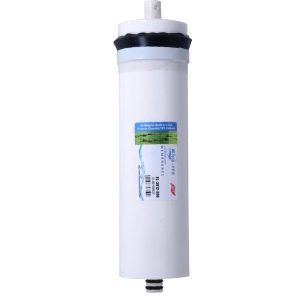
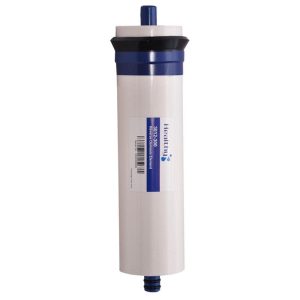
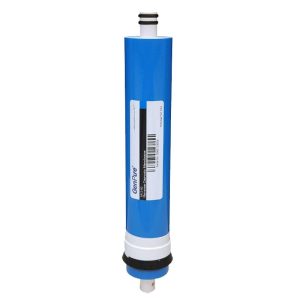
 300 GPD Hi-Tech RO Membrane
₹ 3,500Original price was: ₹ 3,500.₹ 2,700Current price is: ₹ 2,700. -
Sale Product on saleVontron 300 Gpd RO Membrane
₹ 3,500Original price was: ₹ 3,500.₹ 3,000Current price is: ₹ 3,000. -
Sale Product on sale300 Gpd Healthy RO Membrane
₹ 4,200Original price was: ₹ 4,200.₹ 3,700Current price is: ₹ 3,700. -
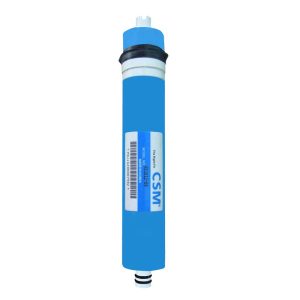
Sale Product on saleCsm 80 GPD Membrane
₹ 2,500Original price was: ₹ 2,500.₹ 1,600Current price is: ₹ 1,600.

-
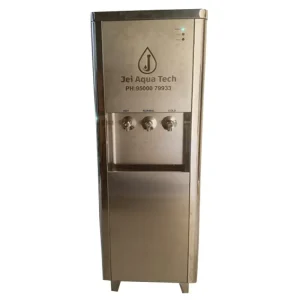
Sale Product on sale50 LPH RO+Hot+Cold Water Dispenser
₹ 82,000Original price was: ₹ 82,000.₹ 75,000Current price is: ₹ 75,000. -
Sale Product on sale25 LPH RO+Hot+Cold Water Dispenser
₹ 66,000Original price was: ₹ 66,000.₹ 64,900Current price is: ₹ 64,900. -
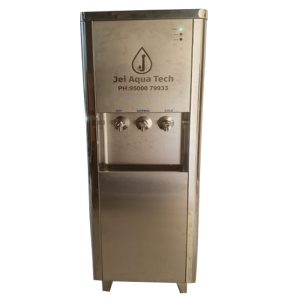
Sale Product on saleNormal+Hot+Cold Water Dispenser
₹ 58,500Original price was: ₹ 58,500.₹ 57,800Current price is: ₹ 57,800.


Leave a Reply
You must be logged in to post a comment.