
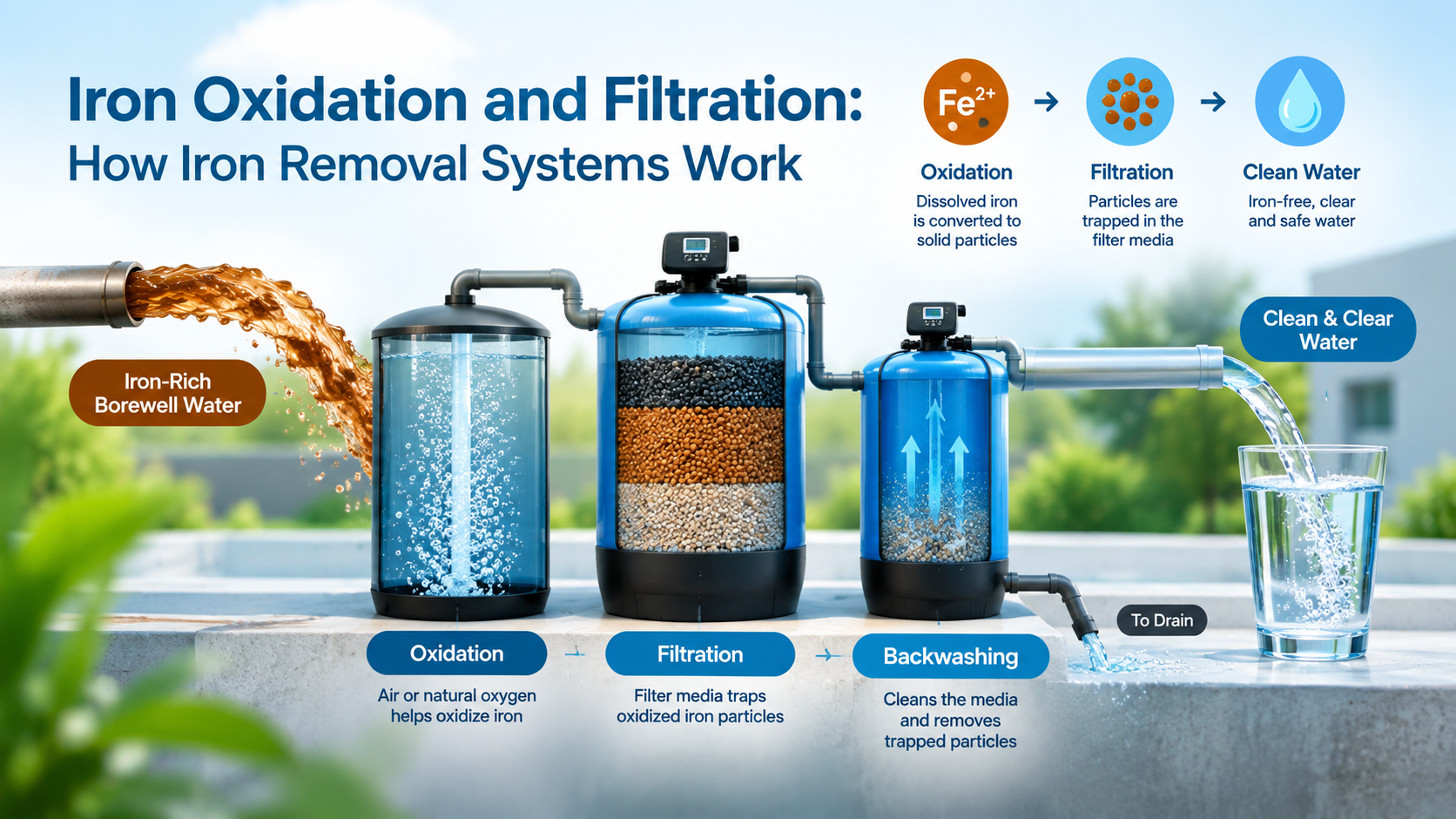
Iron is one of the most common problems found in borewell and groundwater, particularly in areas where groundwater passes through iron-rich soil and rock formations. High iron levels can cause reddish-brown stains, metallic taste, unpleasant odor and deposits in plumbing fixtures.
An iron removal filter is designed to reduce this iron and improve the appearance and usability of groundwater. But how does the process actually work? The answer lies in two important stages: oxidation and filtration.
This guide explains the science behind iron oxidation, how filtration removes oxidized iron, and what to consider when selecting an iron removal system.
What Is Iron in Groundwater?
Iron can occur naturally in groundwater in different forms. The most common form in oxygen-deficient borewell water is ferrous iron (Fe²⁺). Because it is dissolved in water, it may not always be visible when the water is first drawn from the borewell.
When this water comes into contact with oxygen, ferrous iron can be converted into ferric iron (Fe³⁺). Ferric iron is much less soluble and can form tiny solid particles or hydroxide precipitates.
This transformation is the foundation of many iron removal processes.
What Is Iron Oxidation?
Iron oxidation is a chemical process in which dissolved ferrous iron reacts with an oxidizing agent such as oxygen.
A simplified representation is:
Ferrous iron + Oxygen → Ferric iron compounds
Once oxidation occurs, the dissolved iron changes into particles that can be captured by a suitable filtration medium.
Natural aeration can sometimes provide enough oxygen for oxidation. In systems with higher iron concentration or specific water chemistry, additional oxidation methods may be required.
How Does an Iron Removal Filter Work?
A typical iron removal system can involve several stages depending on the raw water quality.
1. Raw Water Collection
Water is pumped from the borewell or other groundwater source into the treatment system.
Before selecting the filter, the water should ideally be tested for parameters such as:
- Iron
- pH
- Hardness
- TDS
- Manganese
- Turbidity
- Alkalinity
Water testing helps determine the appropriate treatment approach.
2. Oxidation
The dissolved ferrous iron needs to be converted into an oxidized form that can be filtered.
This may happen through:
- Natural aeration
- Air injection
- Chemical oxidation
- Specialized catalytic filter media
The correct method depends on iron concentration, pH, flow rate and other water characteristics.
3. Filtration
After oxidation, the resulting iron particles are passed through the filter media.
The media provides a filtration surface where iron particles can be retained. Depending on the system design, specialized media may also assist with further oxidation and iron removal.
4. Backwashing
As iron particles accumulate inside the filter bed, the media needs to be cleaned.
Backwashing reverses the normal flow through the filter and carries accumulated contaminants to the drain.
Regular backwashing is important for maintaining:
- Filtration performance
- Water flow
- Filter-bed condition
- Media efficiency
The required backwash frequency depends on the iron load, water usage and filter design.
Why pH Matters in Iron Removal
pH plays an important role in iron oxidation and filtration.
In many treatment systems, iron oxidation and precipitation become more effective under suitable pH conditions. If the raw water has an unsuitable pH, simply installing a filter may not provide the expected results.
This is why an iron removal system should not be selected based only on the iron concentration.
For example, two borewell sources may have similar iron levels but require different treatment configurations because their pH, manganese, hardness or flow requirements are different.
Iron Removal Filter Media
Different filter media can be used depending on the treatment requirement.
Common approaches include:
- Oxidizing media
- Catalytic media
- Sand-based filtration media
- Multi-media filter configurations
- Specialized iron and manganese removal media
The media selection should be based on laboratory water analysis rather than using the same media for every borewell.
A properly designed system can combine oxidation and filtration to achieve more consistent iron reduction.
What Happens If Iron Is Not Removed?
High iron in groundwater can create several practical problems.
Reddish-Brown Stains
Iron can leave stains on bathroom fittings, sinks, tiles, buckets and clothes.
Metallic Taste
Elevated iron may affect the taste and appearance of drinking water.
Pipe and Plumbing Deposits
Iron deposits can accumulate in pipelines and fixtures, potentially affecting water flow over time.
Problems With Downstream Treatment
If iron-rich water is supplied directly to an RO plant, iron can contribute to fouling of membranes and other components.
For this reason, iron removal is often considered part of RO pretreatment when raw water contains significant iron.
Choosing the Right Iron Removal System
There is no single iron removal filter that is suitable for every water source.
Before choosing a system, consider:
Iron concentration: Determines the treatment requirement and media capacity.
Water flow rate: The filter must handle the required litres per minute without excessive pressure loss.
pH: Influences oxidation and precipitation.
Manganese: If manganese is also present, the treatment design may need to address both contaminants.
Daily water consumption: Helps determine filter size and operating requirements.
Backwashing: The installation should have adequate water and drainage arrangements for backwash.
Application: Domestic homes, apartments, commercial buildings and industrial facilities may require different system capacities.
Iron Removal for RO Plant Pretreatment
For commercial and industrial applications, iron removal can be an important pretreatment step before RO.
A typical treatment train may include:
Raw Borewell Water → Iron Removal → Sediment/Multi-Media Filtration → Activated Carbon → Softener/Antiscalant → Micron Filtration → RO
The exact configuration depends on the raw water analysis and the required treated-water quality.
Proper pretreatment can help reduce the contaminant load reaching the RO membrane and support more reliable plant operation.
Get the Right Iron Removal System for Your Water
The science behind iron removal is straightforward: convert dissolved iron into a form that can be separated, then capture it through appropriate filtration. However, achieving reliable results requires the system to be designed around the actual characteristics of the raw water.
At Jei Aqua Tech, iron removal solutions can be planned for domestic, commercial and industrial applications based on water quality and treatment requirements.
If you need an iron removal filter, borewell water treatment system or complete water treatment plant, get your raw water tested and request a suitable treatment recommendation before installation.
Need a Water Treatment Plant Price Quote?
Contact Jei Aqua Tech for a water treatment system assessment and water treatment plant price quote based on your application, capacity and raw water quality.

Written by Seoadmin


-
Sale Product on sale
 300 GPD Hi-Tech RO Membrane
₹ 3,500Original price was: ₹ 3,500.₹ 2,700Current price is: ₹ 2,700. -
Sale Product on saleVontron 300 Gpd RO Membrane
₹ 3,500Original price was: ₹ 3,500.₹ 3,000Current price is: ₹ 3,000. -
Sale Product on sale300 Gpd Healthy RO Membrane
₹ 4,200Original price was: ₹ 4,200.₹ 3,700Current price is: ₹ 3,700. -
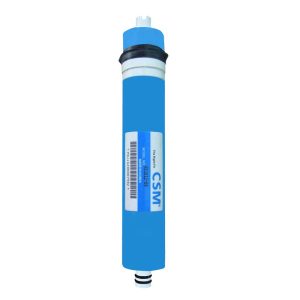
Sale Product on saleCsm 80 GPD Membrane
₹ 2,500Original price was: ₹ 2,500.₹ 1,600Current price is: ₹ 1,600.

-
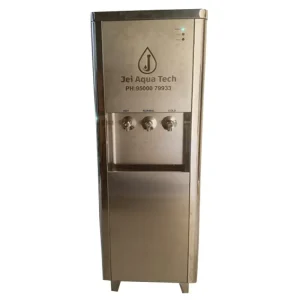
Sale Product on sale50 LPH RO+Hot+Cold Water Dispenser
₹ 82,000Original price was: ₹ 82,000.₹ 75,000Current price is: ₹ 75,000. -
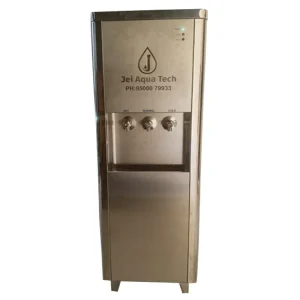
Sale Product on sale25 LPH RO+Hot+Cold Water Dispenser
₹ 66,000Original price was: ₹ 66,000.₹ 64,900Current price is: ₹ 64,900. -
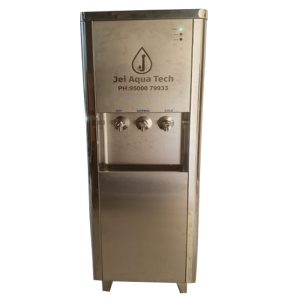
Sale Product on saleNormal+Hot+Cold Water Dispenser
₹ 58,500Original price was: ₹ 58,500.₹ 57,800Current price is: ₹ 57,800.
Leave a Reply
You must be logged in to post a comment.