
Borewell water is widely used in homes, apartments, offices, and commercial properties. While groundwater can be a useful source of water, it may contain naturally occurring minerals such as iron and manganese. When the iron concentration becomes high, it can affect water quality and create problems throughout the property.
High iron in borewell water is commonly noticed through reddish-brown stains, metallic taste, unpleasant odor, and deposits on plumbing fixtures. In some cases, the effects may become more noticeable after the water comes into contact with air.
Understanding the problems caused by excessive iron can help you identify the issue early and choose a suitable iron removal filter.
What Causes High Iron in Borewell Water?
Iron occurs naturally in many groundwater sources. As water moves through soil and rocks, it can dissolve iron-containing minerals and carry them into underground water sources.
The amount of iron can vary significantly between borewells. Water may appear clear when first pumped but develop a yellow, orange, or brown color after exposure to air. This happens because dissolved iron can oxidize and form particles that settle on surfaces.
A water test is the most reliable way to determine the actual iron concentration and understand the treatment requirement.
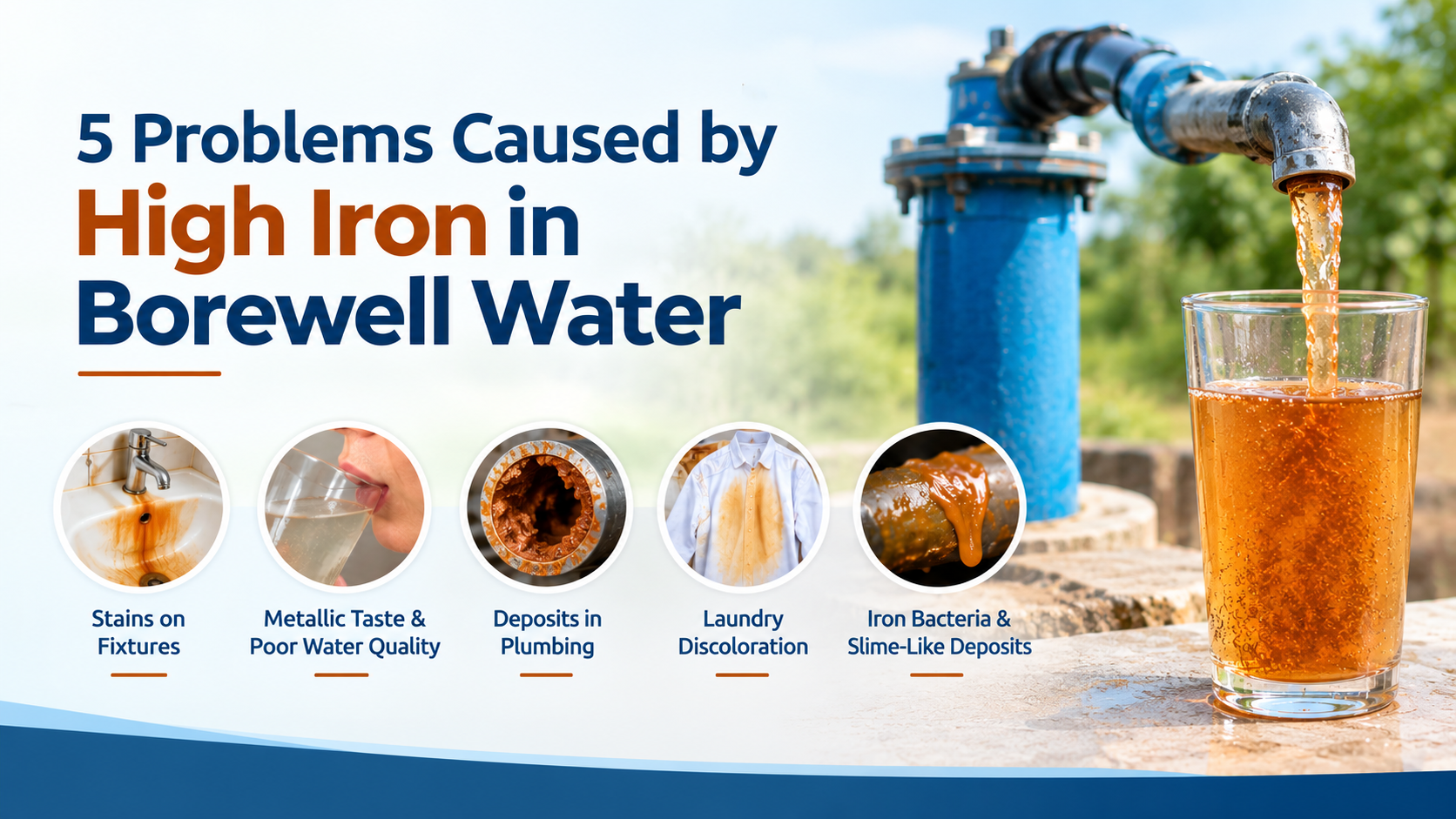
1. Reddish-Brown Stains on Bathroom Fixtures
One of the most visible high iron water problems is staining.
Iron-containing water can leave orange, red, or brown marks on:
- Wash basins
- Toilets
- Bathroom tiles
- Taps
- Shower fittings
- Buckets
- Bathtubs
- Kitchen sinks
These stains can become increasingly difficult to remove when iron-containing water is used continuously.
Regular household cleaning may reduce the appearance of fresh stains, but it does not address the source of the problem. If the borewell water continues to contain excessive iron, the stains can return.
Installing an appropriate water-treatment system can help reduce the amount of iron entering the household plumbing.
2. Metallic Taste and Unpleasant Water Quality
High levels of iron can affect the taste and appearance of drinking water.
Some people may notice a metallic or unpleasant taste when iron-containing water is used for drinking or cooking. Depending on the water chemistry, iron can also contribute to changes in color, odor, and overall appearance.
This is particularly noticeable when water is stored for some time or exposed to air.
If borewell water is intended for drinking, it is important to test the water rather than relying only on its appearance. Iron is only one of the parameters that may need to be checked.
3. Iron Deposits Can Affect Plumbing
Continuous exposure to iron-containing water can result in deposits accumulating in plumbing systems and fixtures.
Over time, these deposits may contribute to:
- Reduced water flow
- Clogged aerators
- Blocked small passages
- Staining inside plumbing fixtures
- Increased cleaning requirements
The severity depends on the iron concentration, water usage, pipe condition, and other characteristics of the water.
If you notice that water flow is gradually decreasing along with recurring reddish deposits, testing the borewell water can help identify whether iron is contributing to the problem.
4. Problems With Laundry
High iron water can also create difficulties when washing clothes.
Iron-containing water may cause yellowish, orange, or brown discoloration, particularly on white and light-colored fabrics. The problem can become more noticeable when clothes are repeatedly washed using the same untreated water.
Iron deposits can also make maintaining clean-looking fabrics more difficult.
If laundry stains continue despite using an appropriate detergent and washing process, the water itself should be considered as a possible source.
A suitable iron treatment system installed before the household water supply can help reduce the iron entering washing machines and other appliances.
5. Iron Bacteria and Slime-Like Deposits
In some water systems, iron-related bacteria can contribute to deposits and biofilm-like growth in plumbing or water-treatment equipment.
These organisms can use iron in the water and may contribute to reddish-brown or slimy material. Problems can become more noticeable in wells, storage tanks, pipes, and filtration systems.
Iron bacteria are different from simply having dissolved iron in the water, so proper testing and system inspection are important before deciding on treatment.
If recurring deposits or unusual odors are present, professional water testing can help determine the cause.
How Can You Check Iron in Borewell Water?
The first step is water testing.
A water test can help determine the concentration of iron and identify other parameters that may affect the treatment system.
Depending on the water source and intended use, testing may include parameters such as:
- Iron
- Manganese
- pH
- Total dissolved solids (TDS)
- Hardness
- Turbidity
- Chloride
- Other relevant water-quality parameters
Testing is especially useful before selecting an iron removal system because the right treatment method depends on the characteristics of the raw water.
How Does an Iron Removal Filter Help?
An iron removal filter is designed to reduce iron from water before it reaches the property’s distribution system.
The treatment process can vary depending on the type of iron present and the water chemistry. Different systems may use specialized filter media, oxidation, aeration, or a combination of treatment methods.
A typical system may be installed after the borewell pump and before the treated water enters the household or building supply.
The exact design should be selected based on water-test results, flow requirements, iron concentration, and daily water consumption.
When Should You Consider an Iron Removal Filter?
You may want to investigate an iron removal system if your borewell water regularly shows:
- Reddish or brownish discoloration
- Persistent stains on fixtures
- Metallic taste
- Iron deposits
- Recurring laundry discoloration
- Reduced water quality after storage
- High iron levels in laboratory test results
However, these symptoms can have multiple causes. Water testing is recommended before purchasing or installing a treatment system.
Choosing the Right Iron Removal System
Not every iron removal filter is suitable for every borewell.
Important factors include:
Iron concentration: Higher iron levels may require a more robust treatment system.
Water flow: The filter should be appropriately sized for the property’s peak water demand.
Daily consumption: Homes and commercial properties have different treatment requirements.
Other water parameters: pH, manganese, turbidity, hardness, and other characteristics can influence treatment performance.
Filter media: The appropriate media depends on the water chemistry and treatment design.
Backwashing requirements: The system should have adequate water and drainage facilities for proper backwashing where required.
Why Water Testing Should Come First
Choosing a filter based only on the color of the water can lead to an unsuitable treatment system.
For example, brown-colored water may be associated with iron, but other contaminants or sediment can also affect water appearance. Similarly, a clear-looking water sample can still contain dissolved iron.
A laboratory water test provides useful information for selecting the appropriate treatment method and filter capacity.
Final Thoughts
High iron in borewell water can create several everyday problems, including reddish-brown stains, unpleasant taste, plumbing deposits, laundry discoloration, and iron-related deposits in water systems.
The best way to understand the problem is to test the borewell water and determine the actual iron concentration along with other important water-quality parameters.
If the test confirms excessive iron, an appropriately designed iron removal filter can help improve the quality of water supplied throughout the property.
Jei Aqua Tech provides water-treatment solutions for homes, apartments, and commercial requirements. If you are experiencing iron-related problems with borewell water, professional water testing and system evaluation can help determine the appropriate treatment solution.

Written by Seoadmin


-
Sale Product on sale
 300 GPD Hi-Tech RO Membrane
₹ 3,500Original price was: ₹ 3,500.₹ 2,700Current price is: ₹ 2,700. -
Sale Product on saleVontron 300 Gpd RO Membrane
₹ 3,500Original price was: ₹ 3,500.₹ 3,000Current price is: ₹ 3,000. -
Sale Product on sale300 Gpd Healthy RO Membrane
₹ 4,200Original price was: ₹ 4,200.₹ 3,700Current price is: ₹ 3,700. -
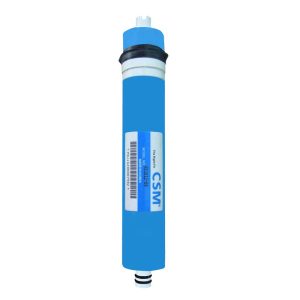
Sale Product on saleCsm 80 GPD Membrane
₹ 2,500Original price was: ₹ 2,500.₹ 1,600Current price is: ₹ 1,600.

-
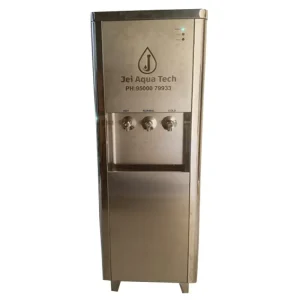
Sale Product on sale50 LPH RO+Hot+Cold Water Dispenser
₹ 82,000Original price was: ₹ 82,000.₹ 75,000Current price is: ₹ 75,000. -
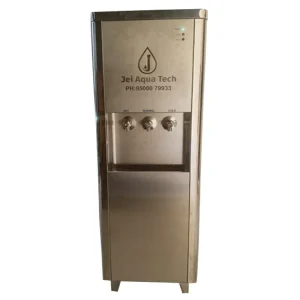
Sale Product on sale25 LPH RO+Hot+Cold Water Dispenser
₹ 66,000Original price was: ₹ 66,000.₹ 64,900Current price is: ₹ 64,900. -
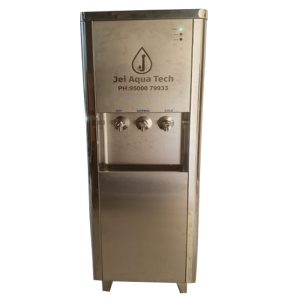
Sale Product on saleNormal+Hot+Cold Water Dispenser
₹ 58,500Original price was: ₹ 58,500.₹ 57,800Current price is: ₹ 57,800.

Leave a Reply
You must be logged in to post a comment.