
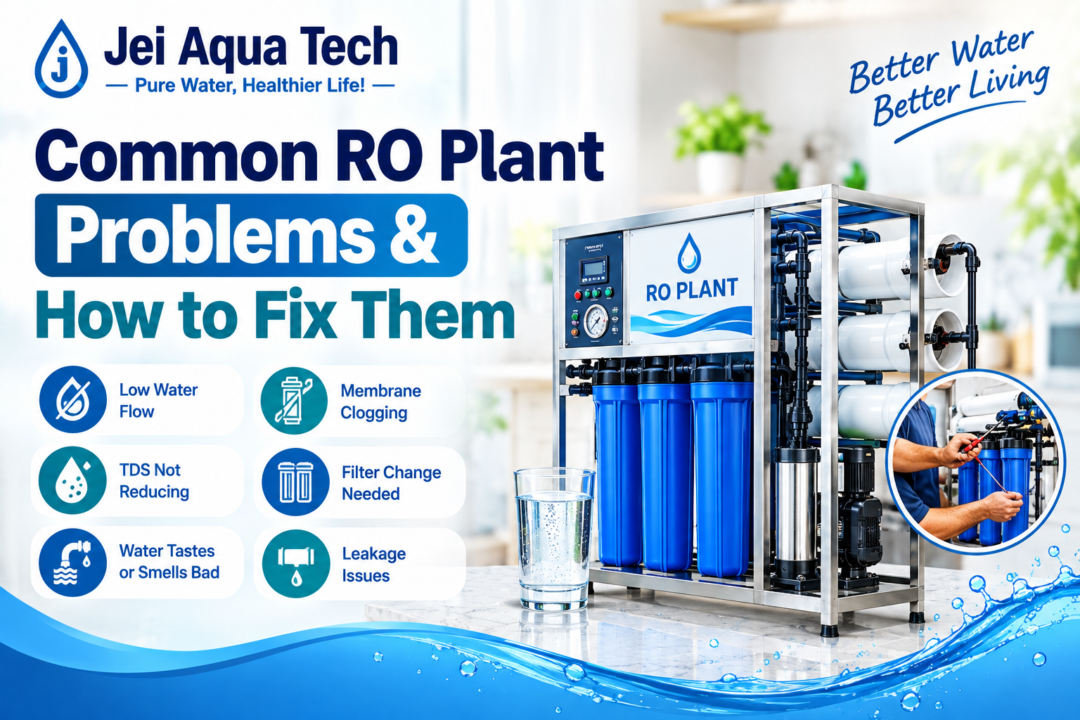
An RO Plant is widely used in commercial, industrial, hotels, hospitals, restaurants, offices, and other applications where purified water is required. Like any water treatment system, an RO Plant can experience performance issues when filters, membranes, pumps, valves, or other components are not properly maintained.
Understanding common RO Plant problems can help identify issues early and prevent costly breakdowns. Regular inspection and preventive maintenance are important for maintaining consistent water production and purification performance.
1. Low RO Plant Water Production
One of the most common problems is a reduction in purified water output. A plant that normally produces a certain quantity of water may gradually start producing less.
Possible Causes
- Clogged pre-filters
- Fouled RO membrane
- Low feed-water pressure
- Pump performance issues
- Blocked pipelines
- Incorrect flow settings
- Poor water quality entering the system
How to Fix It
Check the pre-treatment filters and replace them if they are clogged. Feed-water pressure and pump performance should also be inspected. If the RO membrane is fouled, professional membrane cleaning or replacement may be required.
2. High TDS in RO Product Water
If the TDS of purified water increases, the RO membrane may not be removing dissolved solids effectively.
Possible Causes
- RO membrane fouling
- Damaged membrane
- Incorrect operating pressure
- Membrane ageing
- Poor sealing around the membrane housing
- Incorrect system flow
How to Fix It
Measure the TDS of both feed water and product water. Check operating pressure, membrane condition, flow rates, and membrane housing seals. If the membrane has reached the end of its service life, replacement may be necessary.
3. Frequent Filter Clogging
Pre-filters can become clogged quickly when the incoming water contains high levels of sediment, turbidity, iron, or other impurities.
How to Fix It
The pre-treatment system should be checked to determine why the filters are getting blocked frequently. Depending on the source water, additional treatment such as a Sand Filter, Carbon Filter, or Iron Removal Filter may be required before the RO stage.
Proper pre-treatment can help protect the RO membrane and improve overall plant performance.
4. RO Membrane Fouling
Membrane fouling can reduce water production and increase the TDS of purified water. Fouling may occur because of suspended solids, hardness, organic matter, iron, or other contaminants.
How to Fix It
Regular monitoring of feed-water quality and membrane performance is important. Depending on the type and severity of fouling, professional membrane cleaning may restore performance. If cleaning is no longer effective, membrane replacement may be required.
5. High Pressure in the RO System
Abnormally high pressure can indicate restricted flow or fouling somewhere in the system.
Possible Causes
- Clogged filters
- Fouled membrane
- Blocked pipelines
- Incorrect valve settings
- Poor pre-treatment
- Scaling inside the membrane
How to Fix It
Inspect filters, valves, pipelines, and membrane performance. Do not continue operating the plant at abnormal pressure without identifying the cause, as excessive pressure can affect system components.
6. RO Plant Pump Problems
The high-pressure pump is an important component of an RO Plant. Pump problems can result in low pressure, reduced production, or complete system shutdown.
Common Symptoms
- Unusual noise
- Low pressure
- Excessive vibration
- Motor overheating
- Pump not starting
- Reduced water flow
How to Fix It
Check the power supply, motor, pump inlet, pressure, and connections. Pump maintenance should be performed by a qualified technician, especially for commercial and industrial RO systems.
7. Water Leakage
Leaks can occur around membrane housings, pipe connections, valves, pumps, and fittings.
How to Fix It
Inspect all connections and identify the source of the leakage. Loose fittings may need tightening, while damaged seals, pipes, or components may require replacement.
Ignoring water leaks can lead to water wastage and damage to electrical or mechanical components.
8. RO Plant Produces Too Much Reject Water
RO systems naturally produce reject water during the purification process. However, an unusually high reject-to-product ratio may indicate a system problem.
Possible Causes
- Incorrect operating pressure
- Membrane condition
- Flow-control problems
- Incorrect valve settings
- Poor system design
- Feed-water quality
How to Fix It
Check product and reject flow rates and compare them with the system’s intended operating conditions. A technician can inspect the membrane, flow-control components, pressure, and system settings.
9. Unusual Noise or Vibration
Unusual noise or vibration may indicate a problem with the pump, motor, bearings, mounting, or piping.
How to Fix It
Stop and inspect the system if the noise is severe or unusual. Check pump mounting, motor condition, pipe connections, and mechanical components. Professional inspection is recommended if the cause cannot be identified easily.
10. RO Plant Shuts Down Frequently
Frequent shutdowns can interrupt production and affect business operations.
Possible Causes
- Low feed-water pressure
- High-pressure protection activation
- Low-level water conditions
- Electrical problems
- Faulty sensors
- Pump issues
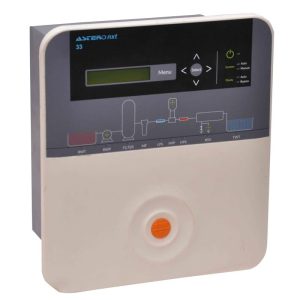
- Control panel problems
How to Fix It
Check the control panel for alarm indications and inspect the relevant sensors, pumps, water levels, and electrical connections. Frequent automatic shutdowns should not simply be bypassed because the protection system may be preventing equipment damage.
11. Poor Feed-Water Quality
The performance of an RO Plant depends heavily on the quality of the incoming water. High turbidity, hardness, iron, organic matter, and other contaminants can affect the membrane.
Solution
A proper pre-treatment system should be selected based on feed-water test results. Depending on the water quality, treatment may include:
- Sand filtration
- Activated carbon filtration
- Iron removal
- Water softening
- Micron filtration
- Other suitable pre-treatment systems
Good pre-treatment can significantly improve RO membrane performance and reduce maintenance requirements.
12. How to Prevent Common RO Plant Problems
Preventive maintenance is better than waiting for the plant to fail. A regular maintenance schedule should include:
- Checking feed-water and product-water TDS
- Monitoring water production
- Checking operating pressure
- Inspecting pre-filters
- Checking pump performance
- Inspecting valves and pipelines
- Monitoring reject-water flow
- Cleaning membranes when required
- Checking electrical components
- Replacing filters and membranes based on performance
Maintenance frequency should be based on water quality, plant capacity, daily operating hours, and system design.
When Should You Call an RO Plant Technician?
If your RO Plant has low production, high TDS, frequent shutdowns, unusual noise, leakage, high pressure, or repeated filter clogging, professional inspection is recommended.
Trying to repair pumps, electrical components, pressure systems, or RO membranes without proper technical knowledge can cause additional damage. A qualified technician can diagnose the actual cause and recommend the appropriate repair or replacement.
RO Plant Maintenance & Service in Chennai
Jei Aqua Tech provides RO Plant installation, repair, servicing, preventive maintenance, membrane replacement, filter replacement, and troubleshooting support for commercial and industrial applications.
Our technicians can inspect the complete system, identify performance issues, and recommend suitable solutions based on plant capacity and water quality.
Whether you operate a small commercial RO Plant or a high-capacity industrial system, regular maintenance can help improve reliability, water production, and overall system performance.
Conclusion
Common RO Plant problems such as low water production, high TDS, membrane fouling, filter clogging, pump issues, leakage, and frequent shutdowns can often be prevented through proper pre-treatment and regular maintenance.
The key is to monitor the plant regularly and address small performance changes before they become major failures. Proper water testing, timely filter replacement, membrane maintenance, and professional servicing can help your RO Plant operate efficiently for longer.
If you are facing an RO Plant performance issue, contact Jei Aqua Tech for professional RO Plant service, repair, and maintenance support.

Written by Seoadmin

-
Sale Product on sale
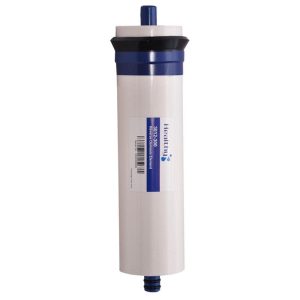
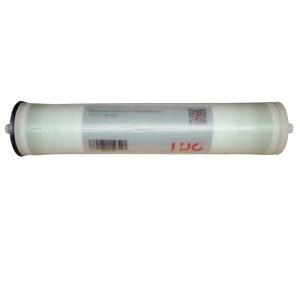
 300 GPD Hi-Tech RO Membrane
₹ 3,500Original price was: ₹ 3,500.₹ 2,700Current price is: ₹ 2,700. -
Sale Product on saleVontron 300 Gpd RO Membrane
₹ 3,500Original price was: ₹ 3,500.₹ 3,000Current price is: ₹ 3,000. -
Sale Product on sale300 Gpd Healthy RO Membrane
₹ 4,200Original price was: ₹ 4,200.₹ 3,700Current price is: ₹ 3,700. -
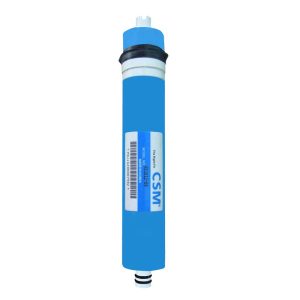
Sale Product on saleCsm 80 GPD Membrane
₹ 2,500Original price was: ₹ 2,500.₹ 1,600Current price is: ₹ 1,600.

-
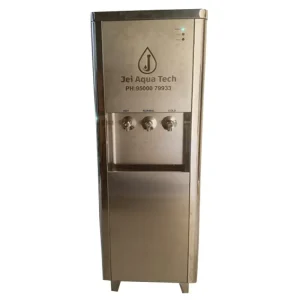
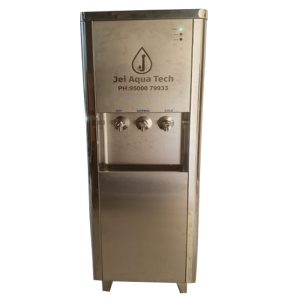
Sale Product on sale50 LPH RO+Hot+Cold Water Dispenser
₹ 82,000Original price was: ₹ 82,000.₹ 75,000Current price is: ₹ 75,000. -
Sale Product on sale25 LPH RO+Hot+Cold Water Dispenser
₹ 66,000Original price was: ₹ 66,000.₹ 64,900Current price is: ₹ 64,900. -
Sale Product on saleNormal+Hot+Cold Water Dispenser
₹ 58,500Original price was: ₹ 58,500.₹ 57,800Current price is: ₹ 57,800.
Leave a Reply
You must be logged in to post a comment.