
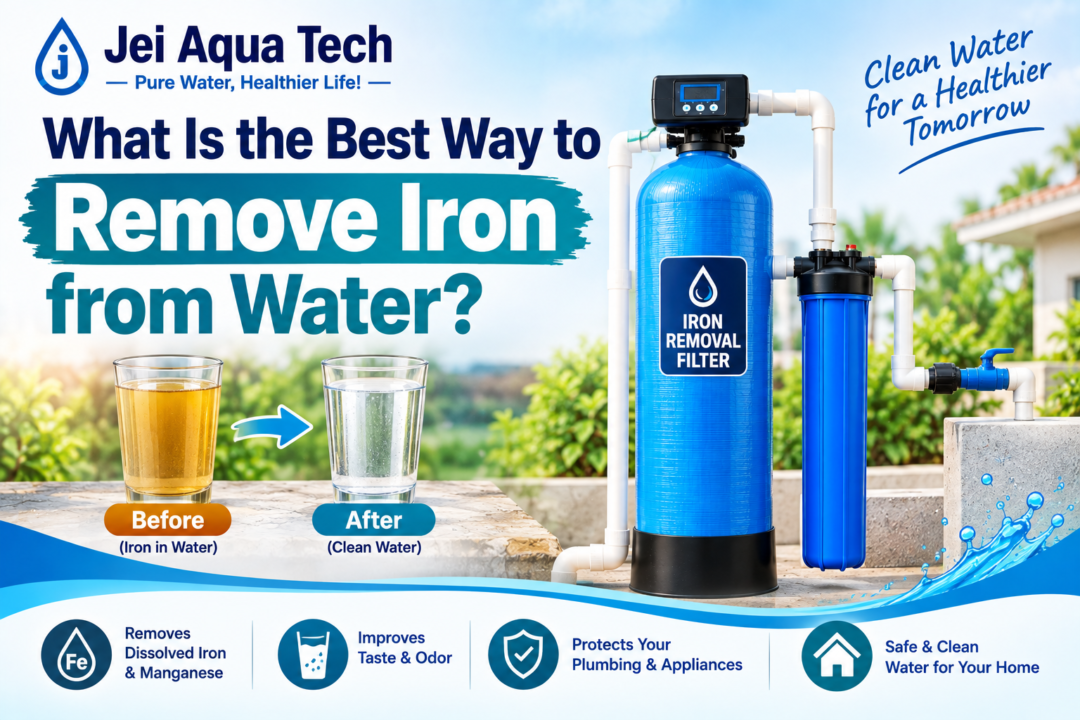
Iron in water is a common problem, especially in borewell and groundwater sources. High iron levels can cause yellow or reddish-brown water, metallic taste, unpleasant odour, stains on bathroom fixtures, and deposits in plumbing systems. If you are facing these problems, choosing the right iron removal method depends on the type and concentration of iron present in the water.
The best way to remove iron from water is to test the water first and then select a suitable treatment system based on the test results. For many residential, commercial, and industrial applications, an Iron Removal Filter can be an effective solution for reducing iron-related water problems.
Why Is Iron Present in Water?
Iron occurs naturally in groundwater and borewell water. It can enter the water through soil, rocks, underground formations, and corroded plumbing components.
In some water sources, iron is dissolved and may not be visible when the water is first collected. When the water comes into contact with oxygen, the dissolved iron can oxidize and form particles. This can result in yellow, orange, or reddish-brown discoloration.
The actual iron level can vary significantly from one water source to another. Therefore, water testing is an important first step before selecting a treatment system.
What Problems Can High Iron Cause?
High iron content may create several noticeable problems in homes and commercial properties.
Common issues include:
- Yellow or reddish-brown water
- Metallic taste
- Unpleasant odour
- Red or brown stains on taps and bathroom fixtures
- Staining of clothes during washing
- Deposits in overhead and underground water tanks
- Sediment accumulation in plumbing
- Reduced appearance and quality of water
Iron can also create maintenance problems when deposits accumulate over time. Treating the source water can help reduce these recurring issues.
What Is the Best Method to Remove Iron?
There is no single iron removal method that is ideal for every water source. The most suitable treatment depends on factors such as:
- Iron concentration
- Type of iron present
- Water pH
- Water flow rate
- Daily water consumption
- Turbidity
- Presence of manganese
- Water hardness
- Other contaminants
For this reason, a water quality test should be conducted before installing an iron removal system.
Iron Removal Filter
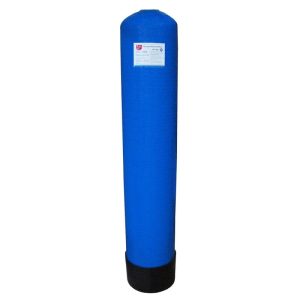
An Iron Removal Filter is one of the commonly used solutions for treating iron-containing borewell and groundwater.
Depending on the system design, suitable filter media can help convert and remove iron from the water. The filtration media captures iron particles, while backwashing helps remove accumulated impurities from the filter.
Iron Removal Filters can be designed for:
- Homes
- Apartments
- Villas
- Offices
- Hotels
- Hospitals
- Commercial buildings
- Factories
- Industrial applications
The filter capacity should be selected according to the iron concentration and required water flow.
How Does an Iron Removal Filter Work?
The exact process depends on the filter media and system configuration. In many systems, dissolved iron is converted into a filterable form through oxidation. The resulting iron particles are then retained by the filtration media.
The filter requires periodic backwashing to remove accumulated iron and maintain proper water flow. Some systems operate manually, while others use automatic valves for scheduled backwashing.
Proper system sizing and installation are important for maintaining consistent performance.
Can a Water Softener Remove Iron?
A Water Softener is primarily designed to reduce hardness-causing minerals such as calcium and magnesium. Although some softeners may handle limited amounts of certain forms of iron, they should not automatically be considered a dedicated iron removal solution.
If the source water contains significant iron along with high hardness, a combination of treatment systems may be required.
For example, a property may use an Iron Removal Filter to treat iron and a Water Softener to reduce hardness. The exact treatment arrangement should be decided based on water test results.
Can RO Remove Iron from Water?
Reverse Osmosis can reduce certain dissolved contaminants, including some forms of iron, but using an RO Plant or RO purifier as the primary solution for high iron raw water may not always be the most practical approach.
High iron levels can affect RO membranes and increase fouling if proper pre-treatment is not provided.
For this reason, an Iron Removal Filter or other suitable pre-treatment system may be installed before the RO stage when required. This can help protect the RO membrane and improve overall system performance.
What About Boiling Water?
Boiling water is useful for controlling certain microorganisms, but it is not a reliable method for removing dissolved iron.
Boiling does not solve the underlying iron problem and may leave mineral deposits behind. If the source water contains high iron, a suitable filtration system is generally more appropriate.
Is a Carbon Filter Suitable for Iron Removal?
Activated carbon filters are mainly used to improve taste, odour, chlorine levels, and certain organic contaminants. They are not generally designed as the primary treatment for high iron concentrations.
If iron is the main problem, a dedicated Iron Removal Filter or another suitable iron treatment system should be considered after water testing.
How to Choose the Right Iron Removal System?
Choosing the correct system requires understanding your water quality and daily requirements.
1. Test Your Water
Start with a water quality test to determine the iron concentration and identify other important parameters.
2. Identify Your Water Source
Borewell water, groundwater, and other sources can have different iron levels and characteristics.
3. Calculate Water Requirement
Determine your daily water consumption and peak flow requirements. This helps select the appropriate filter capacity.
4. Check Other Contaminants
Hardness, manganese, turbidity, pH, and other parameters may influence the treatment design.
5. Select Suitable Filter Media
Different iron levels and water conditions may require different filtration media and system configurations.
6. Consider Maintenance
Backwashing, media inspection, valve servicing, and periodic maintenance should be considered before installing the system.
Why Is Water Testing Important?
Water testing helps avoid choosing the wrong treatment system. Two properties in the same area can have different water quality, especially when they depend on separate borewells.
A water test can provide useful information about iron, hardness, TDS, pH, turbidity, manganese, and other parameters.
Based on these results, a water treatment professional can recommend an appropriate filtration arrangement.
Iron Removal Filter for Borewell Water
Borewell water with high iron can cause persistent yellow or reddish discoloration and staining. A properly selected Iron Removal Filter for Borewell Water can help reduce these problems before the water is distributed throughout the property.
For residential applications, the system can be sized according to family size and daily water usage. Commercial and industrial systems require larger capacities based on flow rate and operating requirements.
Iron Removal Filter Maintenance
Regular maintenance is important for maintaining filtration efficiency. Depending on the system, maintenance may include:
- Periodic backwashing
- Checking valves and connections
- Inspecting filter media
- Cleaning the filtration system
- Checking water flow
- Testing treated water quality
- Replacing filter media when required
The service frequency depends on water quality, iron concentration, daily usage, and system design.
Professional Iron Removal Solutions in Chennai
If you are experiencing yellow water, reddish stains, metallic taste, or other iron-related problems, Jei Aqua Tech provides professional water treatment solutions in Chennai.
Our services include water testing, Iron Removal Filter installation, servicing, maintenance, and media replacement for residential, commercial, and industrial applications.
We help customers identify their water treatment requirements and select suitable filtration solutions based on water quality and usage.
Conclusion
The best way to remove iron from water depends on the source water and the concentration and type of iron present. Instead of selecting a filtration system based only on price or appearance, it is better to start with a proper water quality test.
For many borewell and groundwater applications, an appropriately designed Iron Removal Filter can effectively address iron-related problems such as yellow water, reddish-brown stains, metallic taste, and deposits.
If your water has high iron content, contact Jei Aqua Tech for professional water testing and Iron Removal Filter solutions designed according to your water quality and daily requirements.

Written by Seoadmin


-
Sale Product on sale
 300 GPD Hi-Tech RO Membrane
₹ 3,500Original price was: ₹ 3,500.₹ 2,700Current price is: ₹ 2,700. -
Sale Product on saleVontron 300 Gpd RO Membrane
₹ 3,500Original price was: ₹ 3,500.₹ 3,000Current price is: ₹ 3,000. -
Sale Product on sale300 Gpd Healthy RO Membrane
₹ 4,200Original price was: ₹ 4,200.₹ 3,700Current price is: ₹ 3,700. -
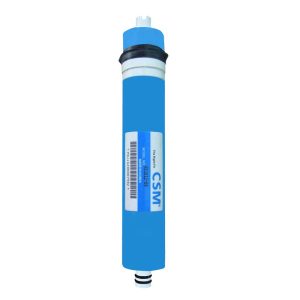
Sale Product on saleCsm 80 GPD Membrane
₹ 2,500Original price was: ₹ 2,500.₹ 1,600Current price is: ₹ 1,600.

-
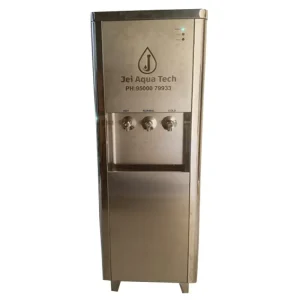
Sale Product on sale50 LPH RO+Hot+Cold Water Dispenser
₹ 82,000Original price was: ₹ 82,000.₹ 75,000Current price is: ₹ 75,000. -
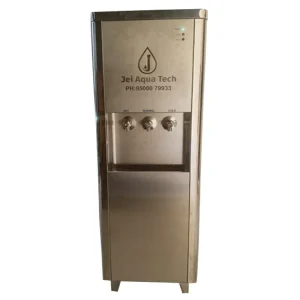
Sale Product on sale25 LPH RO+Hot+Cold Water Dispenser
₹ 66,000Original price was: ₹ 66,000.₹ 64,900Current price is: ₹ 64,900. -
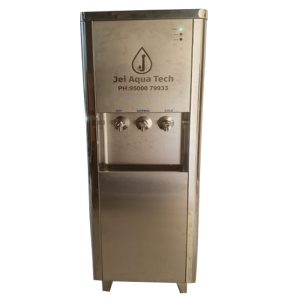
Sale Product on saleNormal+Hot+Cold Water Dispenser
₹ 58,500Original price was: ₹ 58,500.₹ 57,800Current price is: ₹ 57,800.
Leave a Reply
You must be logged in to post a comment.