
Clean and safe water is essential for homes, industries, commercial buildings, hospitals, hotels, educational institutions, and many other applications. However, water from rivers, lakes, borewells, and other sources can contain suspended particles, dissolved minerals, microorganisms, organic matter, iron, hardness, and other impurities.
A water treatment plant (WTP) is designed to remove these impurities and improve water quality through a series of physical, chemical, and sometimes biological treatment processes. The exact treatment method depends on the raw water quality and the intended use of the treated water.
In this guide, let us understand the water treatment plant process and the seven important stages involved in converting raw water into treated water.
What Is a Water Treatment Plant?
A water treatment plant is a system that treats raw or contaminated water to make it suitable for a specific purpose. Depending on the application, treated water may be used for drinking, industrial processes, commercial requirements, cooling systems, boilers, or other applications.
A typical water treatment plant can include equipment such as raw water tanks, dosing systems, clarifiers, pressure sand filters, activated carbon filters, softeners, micron filters, RO systems, UV systems, and treated water storage tanks.
The treatment process is selected according to parameters such as TDS, hardness, turbidity, iron, pH, microbial contamination, and other water-quality requirements.
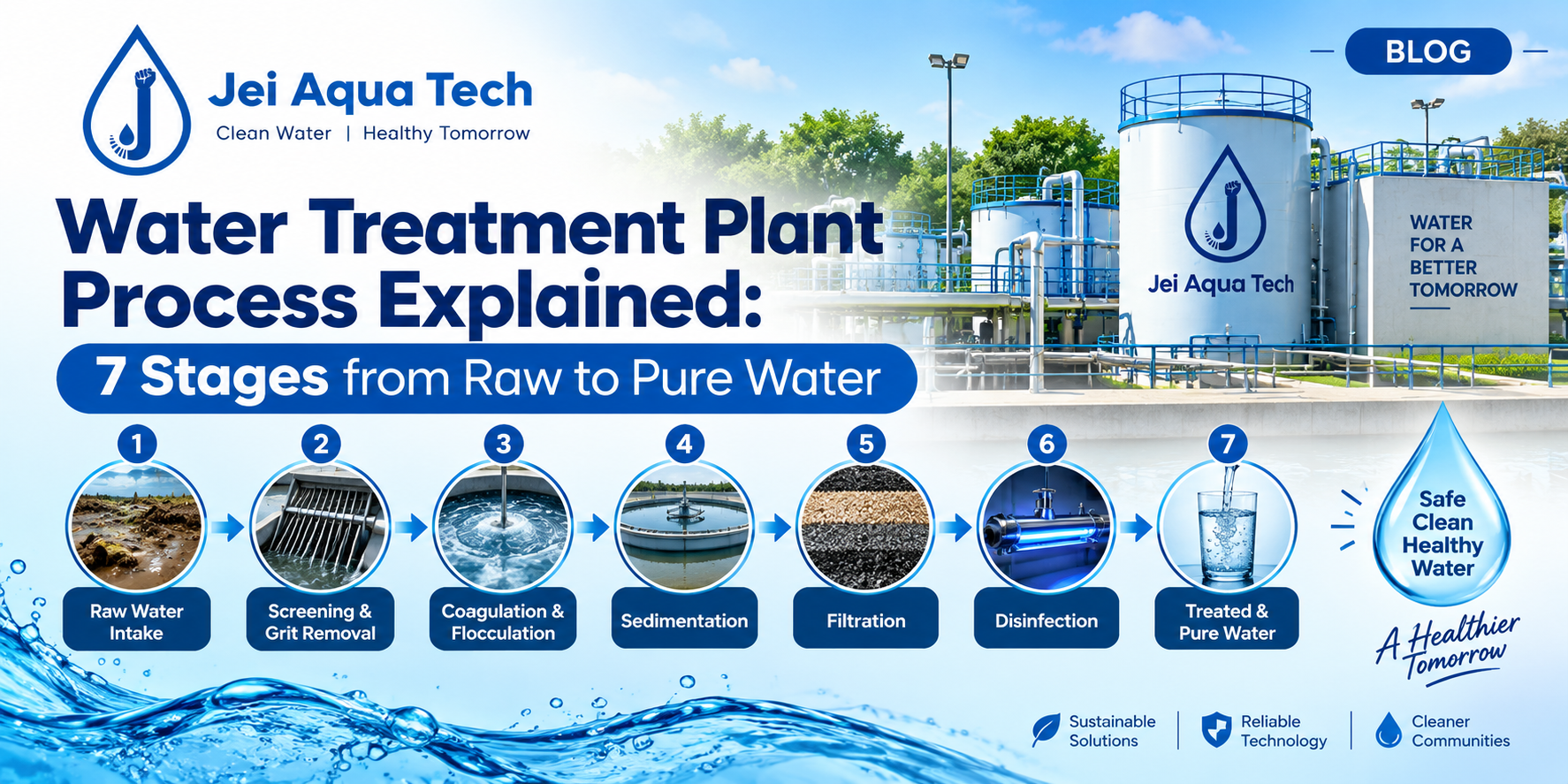
Water Treatment Plant Process: 7 Main Stages
1. Raw Water Collection and Screening
The first stage is collecting water from the source and directing it into the treatment system.
Raw water may contain large particles such as leaves, sand, stones, debris, and other suspended materials. A screening arrangement can help prevent these larger particles from entering downstream equipment.
The raw water is generally stored in a raw water storage tank, where the flow can be controlled before the next treatment stage.
2. Coagulation and Chemical Dosing
Very fine suspended particles may not settle naturally because they remain dispersed in the water. Coagulation helps bring these small particles together.
Suitable chemicals can be dosed into the water depending on the raw water characteristics. Rapid mixing allows the chemicals to interact with suspended particles.
This stage helps form larger particles or flocs that can be removed more effectively during clarification.
The type and quantity of chemical dosing should be selected based on water testing and treatment requirements rather than using the same dosage for every water source.
3. Flocculation and Clarification
After coagulation, the water can pass through a flocculation process where smaller particles combine to form larger flocs.
The water then enters a clarification unit. Because the flocs are heavier than the surrounding water, they can settle toward the bottom of the clarifier.
This process reduces suspended solids and turbidity before the water moves to filtration.
Regular removal of accumulated sludge is important for maintaining the performance of the clarification system.
4. Pressure Sand Filtration
Even after clarification, some fine suspended particles can remain in the water. A pressure sand filter provides another stage of physical filtration.
The filter contains specially selected media that traps suspended particles as water passes through the filter bed.
Pressure sand filters are commonly used for:
- Turbidity reduction
- Suspended solids removal
- Pre-treatment before RO
- General water filtration
- Industrial and commercial water treatment
The filter requires periodic backwashing to remove accumulated particles and maintain proper flow.
5. Activated Carbon Filtration
The next stage may involve an activated carbon filter. Activated carbon is useful for reducing chlorine, certain organic compounds, unpleasant odours, and unwanted tastes.
Carbon filtration can be particularly important when the treated water will subsequently pass through an RO membrane because appropriate pre-treatment can help protect downstream equipment.
The carbon media gradually becomes exhausted and requires appropriate maintenance or replacement depending on water quality and operating conditions.
6. Softening, Micron Filtration and RO Treatment
Depending on the water quality and final requirement, additional treatment may be necessary.
A water softener can be used to reduce hardness-causing calcium and magnesium ions. This is particularly useful for applications where hard water can cause scaling in pipelines, heaters, boilers, and equipment.
Micron filtration can provide another physical filtration stage by reducing smaller suspended particles.
For applications requiring significant reduction of dissolved salts and TDS, a Reverse Osmosis (RO) system can be included. RO uses a semi-permeable membrane to reduce many dissolved contaminants from water.
Not every water treatment plant requires RO. The requirement should be determined from water analysis and the quality specification for the final treated water.
7. Disinfection and Treated Water Storage
The final treatment stage may include disinfection using technologies such as UV or appropriate chemical disinfection, depending on the application.
Disinfection is intended to control microorganisms and improve the microbiological quality of the treated water.
After treatment, the water can be transferred to a treated water storage tank. From there, it can be supplied to the required points of use.
Storage tanks should be properly maintained and cleaned to prevent contamination after the treatment process.
How Does a Water Treatment Plant Work?
In simple terms, a water treatment plant follows a sequence:
Raw Water → Screening → Coagulation → Flocculation → Clarification → Sand Filtration → Carbon Filtration → Softening/RO → Disinfection → Treated Water
Not every plant uses all these stages. A treatment plant is normally designed according to the source-water quality, required treated-water quality, flow rate, application, and operating conditions.
For example, an industrial facility with high TDS may require RO, while another application may mainly require filtration and hardness reduction.
Benefits of a Proper Water Treatment Plant
Installing the right water treatment system can provide several benefits:
- Improves overall water quality
- Reduces suspended particles and turbidity
- Helps control hardness and scaling
- Reduces unwanted odour and taste
- Can reduce dissolved salts when RO is used
- Helps protect downstream equipment
- Supports consistent water quality
- Provides a systematic approach to water purification
- Can be customized for industrial and commercial applications
Why Water Testing Is Important Before Installation
One of the most important steps before designing a water treatment plant is raw water testing.
A water test can identify important parameters such as TDS, pH, hardness, turbidity, iron, chloride, alkalinity, and other relevant characteristics.
Without understanding the source-water quality, selecting treatment equipment can result in an inefficient or oversized system.
At Jei Aqua Tech, water treatment solutions can be planned according to the application, water quality, capacity, and treatment requirement.
Water Treatment Plant Solutions from Jei Aqua Tech
Jei Aqua Tech provides water treatment solutions for different residential, commercial, and industrial requirements. Depending on the water analysis and application, the system can include filtration, softening, iron removal, carbon filtration, RO treatment, and other suitable processes.
Whether you need a water treatment plant for an industrial facility, commercial building, apartment, institution, or other application, selecting the right treatment stages is important for reliable performance.
A properly designed system should not simply remove impurities; it should also be practical to operate, maintain, and service over the long term.
Conclusion
The water treatment plant process consists of multiple stages that work together to improve raw water quality. From screening and coagulation to clarification, sand filtration, carbon filtration, softening, RO treatment, and disinfection, each stage has a specific purpose.
The ideal treatment process depends on the quality of the source water and the required final-water quality. Therefore, water testing and professional system design should be completed before selecting treatment equipment.
If you are looking for customized water treatment plant solutions, Jei Aqua Tech can help assess your water-treatment requirement and identify a suitable treatment process for your application.

Written by Seoadmin

-
Sale Product on sale
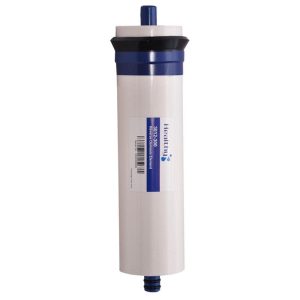
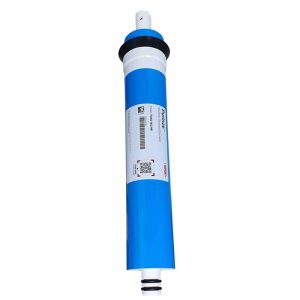
 300 GPD Hi-Tech RO Membrane
₹ 3,500Original price was: ₹ 3,500.₹ 2,700Current price is: ₹ 2,700. -
Sale Product on saleVontron 300 Gpd RO Membrane
₹ 3,500Original price was: ₹ 3,500.₹ 3,000Current price is: ₹ 3,000. -
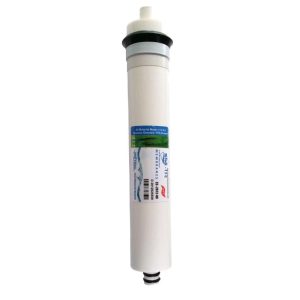
Sale Product on sale300 Gpd Healthy RO Membrane
₹ 4,200Original price was: ₹ 4,200.₹ 3,700Current price is: ₹ 3,700. -
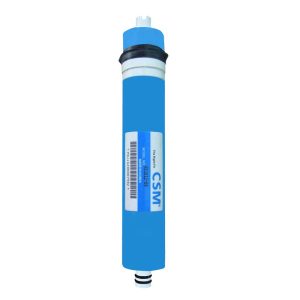
Sale Product on saleCsm 80 GPD Membrane
₹ 2,500Original price was: ₹ 2,500.₹ 1,600Current price is: ₹ 1,600.

-
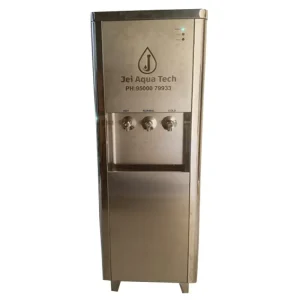
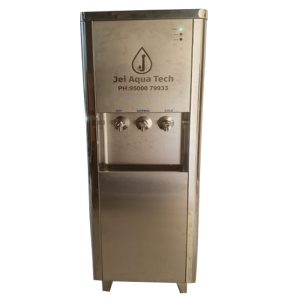
Sale Product on sale50 LPH RO+Hot+Cold Water Dispenser
₹ 82,000Original price was: ₹ 82,000.₹ 75,000Current price is: ₹ 75,000. -
Sale Product on sale25 LPH RO+Hot+Cold Water Dispenser
₹ 66,000Original price was: ₹ 66,000.₹ 64,900Current price is: ₹ 64,900. -
Sale Product on saleNormal+Hot+Cold Water Dispenser
₹ 58,500Original price was: ₹ 58,500.₹ 57,800Current price is: ₹ 57,800.
Leave a Reply
You must be logged in to post a comment.