Water softener
₹ 30,000
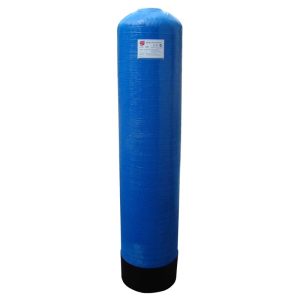
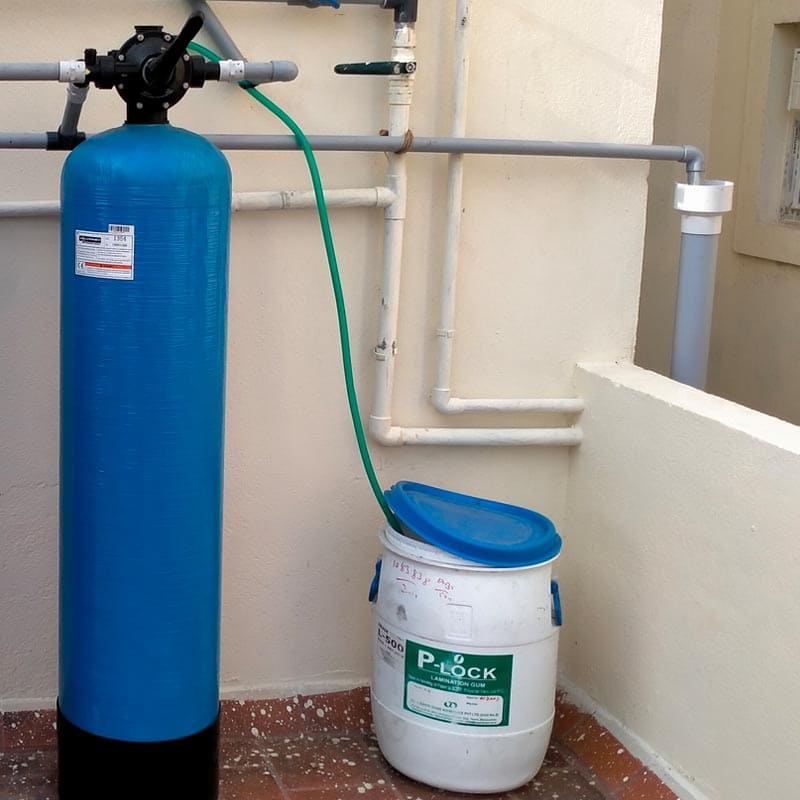
A water softener is an advanced water treatment system designed to remove hardness-causing minerals such as calcium and magnesium. It helps prevent scale buildup in pipelines, faucets, and household appliances, improving their performance and lifespan. Soft water enhances the effectiveness of soaps and detergents, resulting in cleaner clothes and dishes. It also helps maintain softer skin and healthier hair by reducing mineral residue. The system improves water flow and reduces maintenance costs associated with hard water damage. Water softeners are ideal for residential, commercial, and industrial applications. They ensure a continuous supply of treated water for everyday use. The compact and efficient design makes installation and operation simple. By protecting equipment and reducing energy consumption, a water softener delivers long-term savings. It is a reliable solution for achieving better water quality and comfort.
[vc_row][vc_column][vc_column_text css=””]
Water Softener and its Mechanism:
Softening of hard water by synthetic ion-exchange resins:
The process of treating permanent hardness of water using synthetic resins is based on the exchange of cations (eg: Na2+,Ca2+,Mg2+ etc ) and anions (eg:Cl2- etc) present in water by H+ and OH- ions respectively. During the complete process, water first passes through the cation exchange process. The water obtained after this process is free from mineral cations and is acidic in nature. This acidic water is then passed through the anion exchange process where OH- ions neutralize the H+ ions and de-ionize the water obtained. water softener benefits are more in case of problems with hard water
Chemical used for water softener of hard water:
Water softening system is described as the process that is used to remove the compounds such as calcium or magnesium salts or other metal cations that causes water to be hard. There are numerous processes of water softening, however, most of the popular ones include the addition of chemicals. when chemical compounds are added they tend to form insoluble precipitates. some of the chemicals used for softening include slaked lime or calcium hydroxide, ammonia, borax, trisodium phosphate etc. They are usually used in conjunction with sodium carbonate. ion-exchange resins are also used in water softener filters. It is also called as hard water solution.
- Price of Both Commercial and Domestic usage water softeners varies according to the size and water intake capacity of the device.
- For regeneration purpose, both Manual and Automatic models are available.
- Regeneration process is compulsory. The duration of regeneration differs according to the water usage and hardness present in the water.
Terms and conditions
- Warranty 1 year
- Service issues will be solved within 24 hrs
- Installation – If Chennai means same day installation will be done, out of Chennai means installation will done in 24 hrs.
- Installation Type – Standard installation free
- Return and refund policy – Refer website link
- Transport Extra
- Delivery period – maximum 2 days( Inside Tamil nadu), if other state means delivery time will change according to the distance of the place.
[/vc_column_text][/vc_column][/vc_row][vc_row][vc_column][vc_toggle title=”What is a water softener?” css=””]A water softener is a system that removes hardness minerals, mainly calcium and magnesium, from water.[/vc_toggle][vc_toggle title=”Why do I need a water softener?” css=””]Hard water can cause scale buildup in pipes, appliances, and fixtures. A water softener helps protect equipment and improves water quality.[/vc_toggle][vc_toggle title=”How does a water softener work?” css=””]Most water softeners use an ion-exchange process, replacing calcium and magnesium ions with sodium or potassium ions.[/vc_toggle][vc_toggle title=”What are the signs of hard water?” css=””]Common signs include white scale deposits, soap scum, dry skin, dull hair, stiff laundry, and reduced appliance efficiency.[/vc_toggle][vc_toggle title=”Is softened water safe to drink?” css=””]Yes, softened water is generally safe for drinking. However, people on low-sodium diets may prefer a separate drinking water filter.[/vc_toggle][vc_toggle title=”How often does a water softener need maintenance?” css=””]Regular maintenance includes checking salt levels and cleaning the brine tank periodically. Most systems require minimal upkeep.[/vc_toggle][vc_toggle title=”How much salt does a water softener use?” css=””]Salt consumption depends on water hardness, household water usage, and the size of the softener.[/vc_toggle][vc_toggle title=”Can a water softener remove contaminants like bacteria or chlorine?” css=””]No. Water softeners are designed to remove hardness minerals. Additional filtration systems are needed for contaminants such as bacteria, chlorine, or sediments.[/vc_toggle][vc_toggle title=”What size water softener do I need?” css=””]The right size depends on water hardness, daily water consumption, and the number of people using the water supply.[/vc_toggle][vc_toggle title=”Can a water softener help save money?” css=””]Yes. It can reduce energy costs, extend appliance life, lower maintenance expenses, and decrease soap and detergent usage.[/vc_toggle][vc_toggle title=”How do I know if my water is hard?” css=””]A water test can measure hardness levels and determine whether a water softener is recommended.[/vc_toggle][vc_toggle title=”Can a water softener be used for both residential and commercial applications?” css=””]Yes. Water softeners are available in various capacities to meet residential, commercial, and industrial water treatment needs.[/vc_toggle][/vc_column][/vc_row]
Related products
- Add to cart
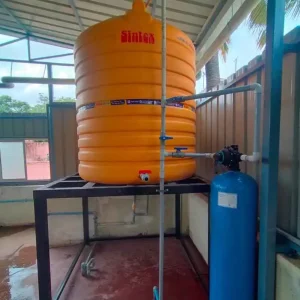
The bathroom water softener works by unique ion-Exchange process, by replacing the ions of hard metals with sodium and potassium helps to absorbs the hard ness present in the water and makes the water soft. Efficient Resin bead is used in the water storage tank of the machine for completion of the softening process. soft water makes hair and skin smooth. It induces the hair growth against and free of damage. Fading of clothes is controlled. Using soft water prevents scaling in our home appliances such as taps, shower, bathroom floor and Plumbing line. Easy installation with zero Electricity used.
- Add to cart
Sand filter for RO plant, water tank, or bore-well water
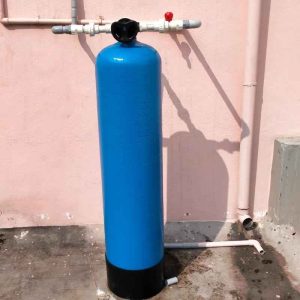
The use of this filter in the final stage of water purification is crucial. This technique sees extensive use in the global water sector. Each of the other two helps to work on filtering flocculant substances, while the filter is excellent at removing pathogens. It improves the flavor of the filtered water as an added bonus. It effectively removes both floating and sinking debris from the water. All three filter types—rapid (gravity)filters, upward flow filters, and slow filters—are able to do their jobs in this fashion.
- Add to cart
Carbon Filter are of various sizes for domestic, commercial and industrial segments are available. It is mainly used to remove the unpleasant /unwanted smell present in the drinking water. Sometimes mixing of sewage and septic tank water into the bore well or well water. In those case, activated carbon filter will be used to remove the smell. Municipality water also has chlorine smell. This chlorine smell will also removed by the carbon filter.
- Add to cart
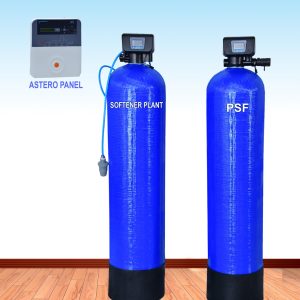
Water softener with sand filter This filter system is provided with valves & Piping to control flow of water treatment and for cleaning. The water is passed through multi layers of filter media consisting graded sand, pebbles and gravels layers. The contaminants (TURBIDITY) in the water is removed and filtered. Auto back washing facilities are also available in the sand filter.
On Sale
-
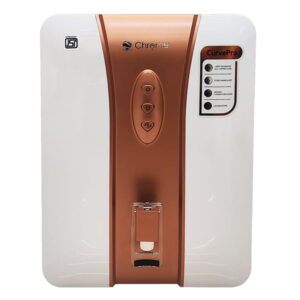
 Chrome Curve PRO White Copper
Original price was: ₹ 19,990.₹ 18,750Current price is: ₹ 18,750.
Chrome Curve PRO White Copper
Original price was: ₹ 19,990.₹ 18,750Current price is: ₹ 18,750. -
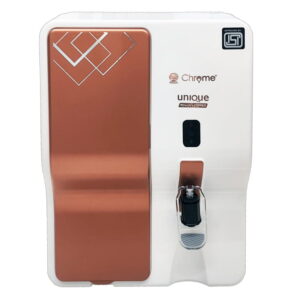
Chrome Unique White Copper
Original price was: ₹ 19,990.₹ 18,500Current price is: ₹ 18,500.
-
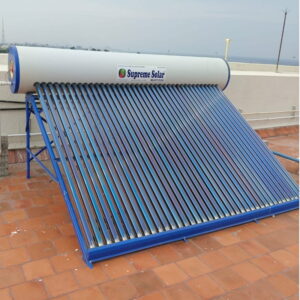
500 liter solar water heater
Original price was: ₹ 55,000.₹ 53,000Current price is: ₹ 53,000.
-
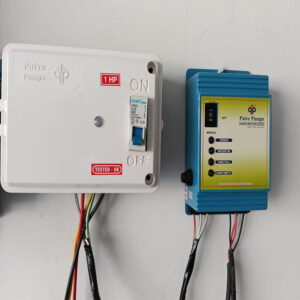
water level controller
Original price was: ₹ 2,700.₹ 2,500Current price is: ₹ 2,500.
-
300 Liter Solar Water Heater
Original price was: ₹ 49,000.₹ 45,000Current price is: ₹ 45,000.