
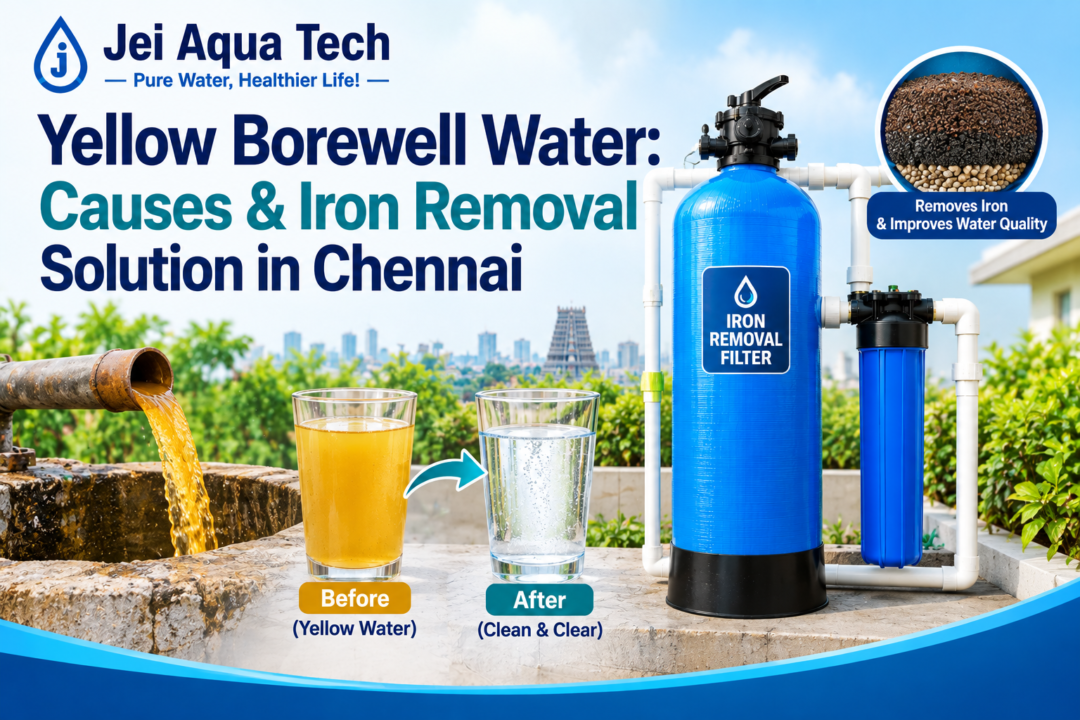
Are you getting yellow or reddish-brown water from your borewell? Do your bathroom taps, tiles, buckets, and clothes develop reddish stains after regular use? These problems may indicate a high level of iron in the water.
Borewell water can contain dissolved iron and other minerals depending on the underground water source. When iron comes into contact with air, it can oxidize and create yellow, orange, or reddish-brown discoloration. A properly selected Iron Removal Filter can help reduce iron-related water problems and improve the appearance and quality of water.
Why Does Borewell Water Become Yellow?
One of the common reasons for yellow or reddish water is the presence of iron. Dissolved iron may not always be visible when water comes directly from the borewell. After exposure to air, the iron can oxidize and form particles that give the water a yellow, orange, or brown appearance.
The severity of the problem depends on the iron concentration and overall water quality. This is why a water quality test is recommended before selecting an appropriate filtration system.
Common Signs of Iron in Borewell Water
High iron content can cause several noticeable problems in homes and commercial properties.
Some common signs include:
- Yellow or reddish-brown water
- Metallic taste
- Unpleasant smell
- Red or brown stains on bathroom fittings
- Staining on clothes
- Deposits in storage tanks
- Sediment buildup in plumbing
- Discoloration of sinks and tiles
If you notice these signs, testing your borewell water can help identify the actual cause.
Is Yellow Water Safe to Use?
The appearance of yellow water does not by itself tell you whether the water is safe for drinking. Water quality depends on iron concentration as well as other physical, chemical, and microbiological parameters.
Therefore, if your borewell water has changed colour, it is better to conduct a proper water quality test before deciding on a treatment system.
For drinking water, additional purification may also be required depending on the complete water test results and intended use.
What Is an Iron Removal Filter?
An Iron Removal Filter is a water treatment system designed to reduce iron from water. It uses suitable filtration media and treatment processes to capture or remove iron from the water before it reaches household plumbing or other applications.
The filter configuration depends on factors such as iron concentration, water flow rate, pH, daily water consumption, and the presence of other contaminants.
How Does an Iron Removal Filter Work?
The working process depends on the type of filter media and system design. In many systems, dissolved iron is first converted into a form that can be filtered. The resulting iron particles are then trapped by the filtration media.
The filter may require periodic backwashing to remove accumulated particles and maintain water flow. Automatic or manual backwash systems can be selected depending on the application.
Professional sizing is important because the filter should be able to handle the required flow rate and iron load.
Iron Filter for Borewell Water
An Iron Filter for Borewell Water can be useful for homes, apartments, villas, offices, commercial buildings, and industrial applications where iron is causing discoloration or staining.
Before installation, water testing helps determine the iron level and other water characteristics. Based on the results, the appropriate filter capacity and media can be selected.
For properties with multiple water quality problems, additional treatment stages may be required.
Can an Iron Removal Filter Remove Yellow Water?
Yes, an Iron Removal Filter can help reduce yellow or reddish-brown discoloration when excess iron is the primary cause.
However, yellow water can have different causes. It may be related to iron, organic matter, sediment, or other water quality conditions. Therefore, identifying the cause through water testing is important before choosing a filtration system.
Iron Removal Filter vs Water Softener
An Iron Removal Filter and a Water Softener are designed to address different water quality problems.
An Iron Removal Filter primarily targets iron-related impurities, while a Water Softener is mainly used to reduce hardness caused by minerals such as calcium and magnesium.
Some properties may require both systems if the source water contains high levels of iron and hardness. The correct combination should be decided based on water test results.
How Iron Can Affect Your Home
Iron-containing water can cause visible stains on bathroom fixtures, sinks, tiles, clothes, and other surfaces. Iron deposits may also accumulate in storage tanks and plumbing systems over time.
These stains can be difficult to remove and may require frequent cleaning. Treating the source water can help reduce recurring iron-related staining problems.
How to Choose the Right Iron Removal Filter?
Choosing the correct filter depends on several factors:
Water Iron Level
A water test helps determine the concentration of iron in the source water.
Water Flow Rate
The system should handle the required flow rate without significantly affecting water supply.
Daily Water Consumption
Residential and industrial properties have different water requirements, so filter capacity should be selected accordingly.
Other Water Quality Parameters
pH, hardness, turbidity, manganese, and other parameters may affect the treatment process and media selection.
Installation Space
The available space for the filter, valves, pipes, and drainage should also be considered before installation.
Iron Removal Filter Maintenance
Regular maintenance helps maintain filtration performance. Depending on the system, maintenance may include backwashing, checking valves, inspecting filter media, cleaning components, and replacing media when required.
The maintenance frequency depends on water quality, iron concentration, daily usage, and system design.
Professional inspection can help identify performance issues before they become major problems.
Iron Removal Filter Installation in Chennai
If you are experiencing yellow or reddish borewell water in Chennai, professional water testing and system selection can help identify a suitable treatment solution.
Jei Aqua Tech provides Iron Removal Filter installation, maintenance, servicing, and media replacement for residential, commercial, and industrial applications in Chennai.
Our team can assess your water treatment requirements and recommend a suitable filtration system based on water quality, flow rate, and usage.
Final Thoughts
Yellow borewell water can be a sign of excess iron, especially when it is accompanied by metallic taste, reddish stains, or sediment buildup. Instead of choosing a filter based only on appearance or price, it is better to test the water and identify the actual cause.
A properly selected Iron Removal Filter can help reduce iron-related discoloration, staining, and other water quality problems. For homes, apartments, commercial buildings, and industries, the right filtration system depends on the source water and daily requirements.
If you are facing a borewell water iron problem in Chennai, contact Jei Aqua Tech for professional water testing, Iron Removal Filter installation, service, and maintenance.

Written by Seoadmin


-
Sale Product on sale
 300 GPD Hi-Tech RO Membrane
₹ 3,500Original price was: ₹ 3,500.₹ 2,700Current price is: ₹ 2,700. -
Sale Product on saleVontron 300 Gpd RO Membrane
₹ 3,500Original price was: ₹ 3,500.₹ 3,000Current price is: ₹ 3,000. -
Sale Product on sale300 Gpd Healthy RO Membrane
₹ 4,200Original price was: ₹ 4,200.₹ 3,700Current price is: ₹ 3,700. -
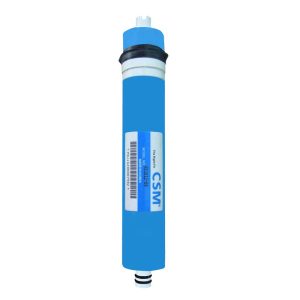
Sale Product on saleCsm 80 GPD Membrane
₹ 2,500Original price was: ₹ 2,500.₹ 1,600Current price is: ₹ 1,600.

-
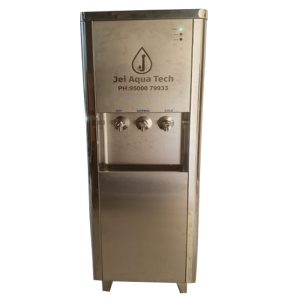
Sale Product on sale50 LPH RO+Hot+Cold Water Dispenser
₹ 82,000Original price was: ₹ 82,000.₹ 75,000Current price is: ₹ 75,000. -
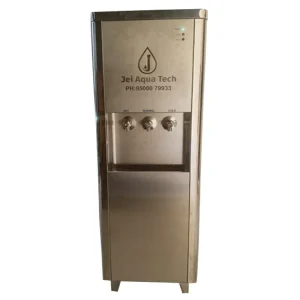
Sale Product on sale25 LPH RO+Hot+Cold Water Dispenser
₹ 66,000Original price was: ₹ 66,000.₹ 64,900Current price is: ₹ 64,900. -
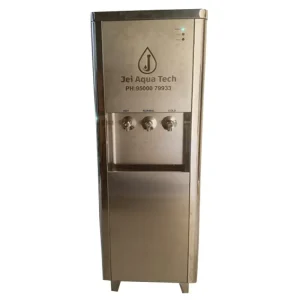
Sale Product on saleNormal+Hot+Cold Water Dispenser
₹ 58,500Original price was: ₹ 58,500.₹ 57,800Current price is: ₹ 57,800.

Leave a Reply
You must be logged in to post a comment.