
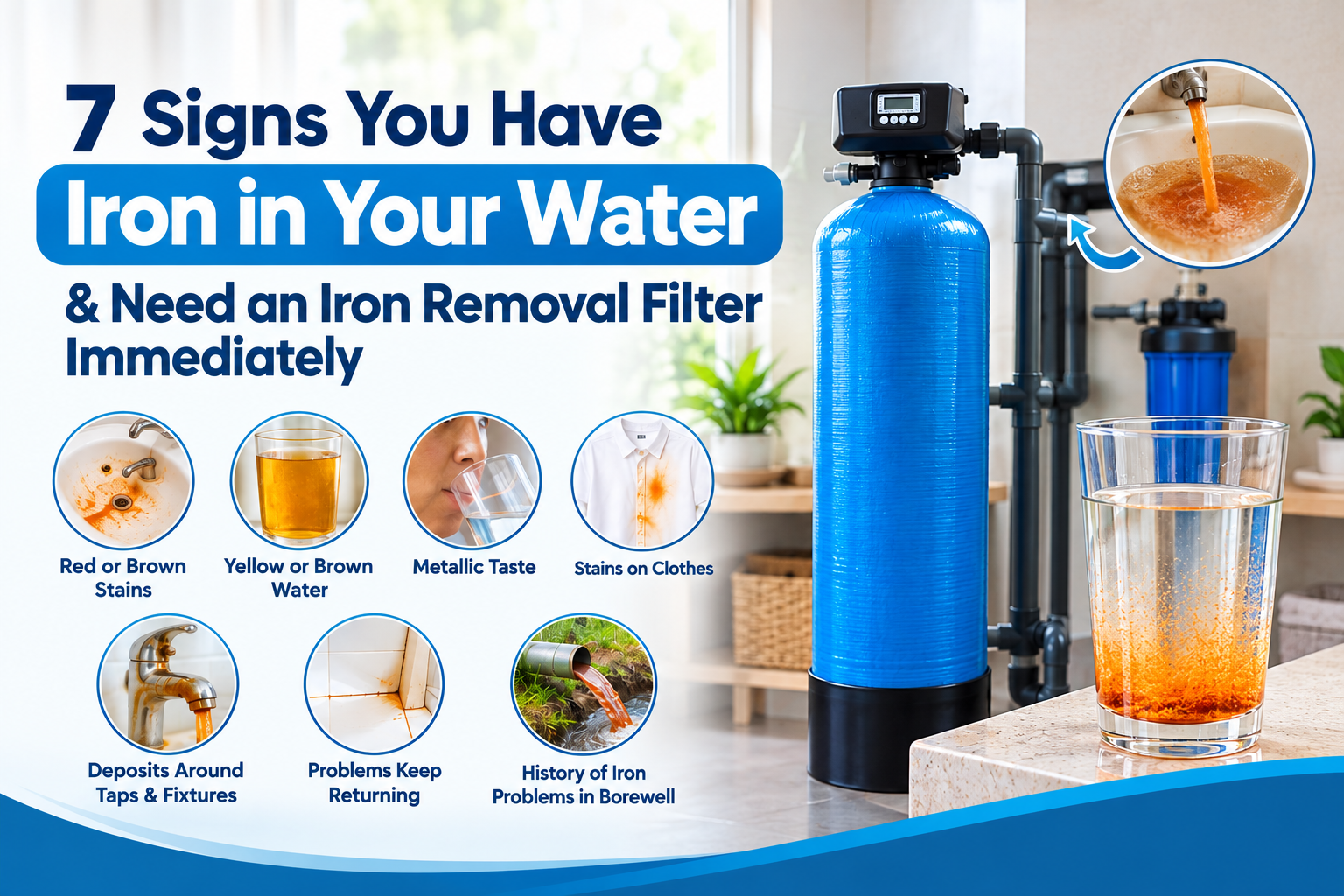
If you use borewell water at home, you may notice changes in water colour, stains on bathroom fittings, unpleasant taste, or deposits around taps. These problems can often be linked to excess iron in the water.
Iron is naturally present in many groundwater sources, particularly borewell water. A small amount may not create an obvious problem, but higher iron levels can affect water appearance, taste, plumbing fixtures, bathroom surfaces, washing machines, and other household equipment.
The good news is that an iron removal filter can help reduce excess iron and improve the quality and appearance of your water.
But how do you know whether your home actually needs one?
Here are 7 common signs of iron in water that you should not ignore.
1. Red, Orange or Brown Stains on Bathroom Fixtures
One of the most noticeable signs of iron in water is reddish-brown staining.
You may find these stains around:
- Wash basins
- Bathroom tiles
- Toilet bowls
- Taps and shower fittings
- Kitchen sinks
- Water storage areas
When iron-containing water comes into contact with air, dissolved iron can oxidize and form iron particles. These particles can settle on surfaces and create orange, red, or brown stains.
If regular cleaning does not prevent these stains from returning, testing your water for iron can be a useful next step.
2. Yellow or Brown-Coloured Water
Fresh borewell water may sometimes appear clear when it first comes out of the tap. After standing for a while, however, the water can develop a yellow, orange, or brown colour.
This can happen because dissolved iron reacts with oxygen and forms oxidized iron particles.
If you regularly notice a colour change in your water, especially after pumping borewell water into a storage tank, it is worth checking the iron level.
An appropriately selected iron removal filter for borewell water can help address this problem.
3. Metallic Taste in Drinking Water
Another possible indication of elevated iron is a metallic or unpleasant taste.
Water containing higher levels of iron may have a noticeable metallic flavour. Even when the water looks clear, dissolved iron can still be present.
However, taste alone cannot confirm the presence or concentration of iron. A proper water test is recommended before selecting a treatment system.
For drinking water applications, iron removal may also need to be combined with appropriate purification depending on the overall water quality.
4. Iron Stains on Clothes After Washing
Do your freshly washed white clothes sometimes develop yellow, orange, or brown marks?
Iron in the water supply can contribute to staining on clothing, particularly when the concentration is high enough.
You may notice the problem more clearly on:
- White shirts
- Bedsheets
- Towels
- School uniforms
- Light-coloured clothes
Repeated washing with iron-containing water can make these stains difficult to remove.
Treating the incoming water before it reaches your washing machine can help reduce iron-related staining and protect your household appliances.
5. Deposits Around Taps and Plumbing Fixtures
Iron-containing water can leave deposits around taps, pipes, showerheads, and other plumbing components.
Over time, these deposits may become difficult to clean. If your bathroom fittings repeatedly develop reddish or brown buildup, the water quality should be investigated rather than treating the stains alone.
A water treatment system installed at the appropriate point in the plumbing can help reduce the amount of iron entering the household water supply.
6. Problems Keep Returning After Cleaning
You may clean your bathroom today and find the same stains appearing again within a few days or weeks.
If the source of the problem is the incoming water, cleaning alone will not permanently solve it.
This is an important sign that you should investigate the water itself.
For homes using borewell water, a water quality test can identify whether iron, hardness, manganese, turbidity, or other parameters are contributing to the problem.
Once the water quality is understood, the right treatment method can be selected instead of installing equipment based only on guesswork.
7. Your Borewell Water Has a History of Iron Problems
Some areas are more likely to experience groundwater quality issues because of local soil and geological conditions.
If nearby homes are already using iron removal systems, or if your borewell water has previously tested high for iron, you should monitor the water quality regularly.
This is especially important when:
- A new borewell has been installed
- Water quality has recently changed
- The water source has changed
- Red staining suddenly increases
- A new home or building is connected to borewell water
Regular water testing can help identify changes before they become major household problems.
Why Install an Iron Removal Filter?
An iron removal filter is designed to reduce excess iron from water before it is supplied to different parts of a property.
Depending on the iron level and water characteristics, the treatment system may use filtration media and oxidation-based processes to convert dissolved iron into particles that can be captured by the filter.
The exact filter design should be selected based on water testing.
A properly designed system can help reduce:
- Red and brown stains
- Metallic taste caused by excess iron
- Iron deposits
- Water discolouration
- Iron-related household water problems
The system may also require periodic backwashing or servicing to maintain effective filtration.
Iron Removal Filter Installation: Why Proper Sizing Matters
Installing an iron filter is not simply about purchasing a filter tank and connecting it to the water line.
The system should be selected according to factors such as:
- Iron concentration
- Water flow rate
- Daily water consumption
- Borewell water characteristics
- pH
- Turbidity
- Other dissolved minerals
- Available installation space
For example, a small residential property and a large apartment building may require completely different treatment capacities.
That is why iron removal filter installation should ideally begin with water testing and a proper assessment of the application.
When Should You Test Your Water?
If you notice repeated red stains, yellow water, metallic taste, or deposits, consider getting the water tested.
A basic water analysis can help determine whether iron is actually responsible for the problem and whether other parameters also need treatment.
This is particularly useful for borewell water because groundwater quality can vary from one location to another.
Get the Right Iron Removal Solution with Jei Aqua Tech
If your home or property is experiencing iron-related water problems, Jei Aqua Tech can help you identify a suitable water treatment solution.
We provide water treatment solutions for homes, commercial properties, and other applications in Chennai. Our approach starts with understanding the water quality and application before recommending the appropriate filtration system.
If you are looking for an iron removal filter for borewell water, professional assessment can help you choose the right system instead of relying on a one-size-fits-all filter.
Conclusion
Red stains, yellow or brown water, metallic taste, clothing stains, and recurring deposits can all be warning signs of excess iron in your water.
However, these symptoms alone cannot tell you exactly how much iron is present. Water testing is the best starting point for choosing an appropriate treatment system.
If testing confirms elevated iron levels, an appropriately designed iron removal filter can help improve water quality and reduce iron-related staining and deposits.
If you are facing iron problems in your borewell water, contact Jei Aqua Tech for guidance on water testing, filter selection, installation, and maintenance.

Written by Seoadmin


-
Sale Product on sale
 300 GPD Hi-Tech RO Membrane
₹ 3,500Original price was: ₹ 3,500.₹ 2,700Current price is: ₹ 2,700. -
Sale Product on saleVontron 300 Gpd RO Membrane
₹ 3,500Original price was: ₹ 3,500.₹ 3,000Current price is: ₹ 3,000. -
Sale Product on sale300 Gpd Healthy RO Membrane
₹ 4,200Original price was: ₹ 4,200.₹ 3,700Current price is: ₹ 3,700. -
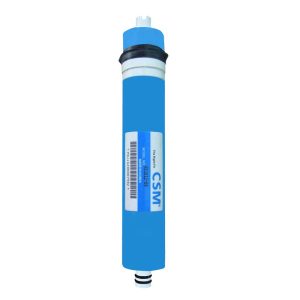
Sale Product on saleCsm 80 GPD Membrane
₹ 2,500Original price was: ₹ 2,500.₹ 1,600Current price is: ₹ 1,600.

-
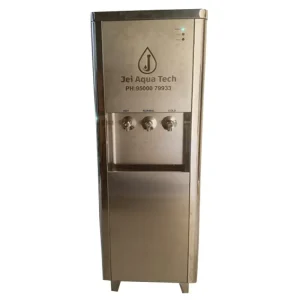
Sale Product on sale50 LPH RO+Hot+Cold Water Dispenser
₹ 82,000Original price was: ₹ 82,000.₹ 75,000Current price is: ₹ 75,000. -
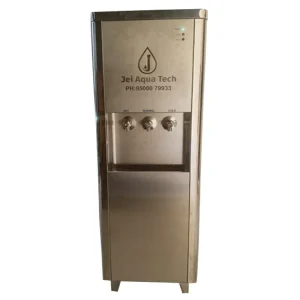
Sale Product on sale25 LPH RO+Hot+Cold Water Dispenser
₹ 66,000Original price was: ₹ 66,000.₹ 64,900Current price is: ₹ 64,900. -
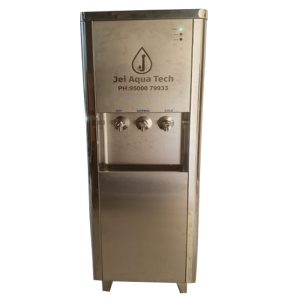
Sale Product on saleNormal+Hot+Cold Water Dispenser
₹ 58,500Original price was: ₹ 58,500.₹ 57,800Current price is: ₹ 57,800.

Leave a Reply
You must be logged in to post a comment.