
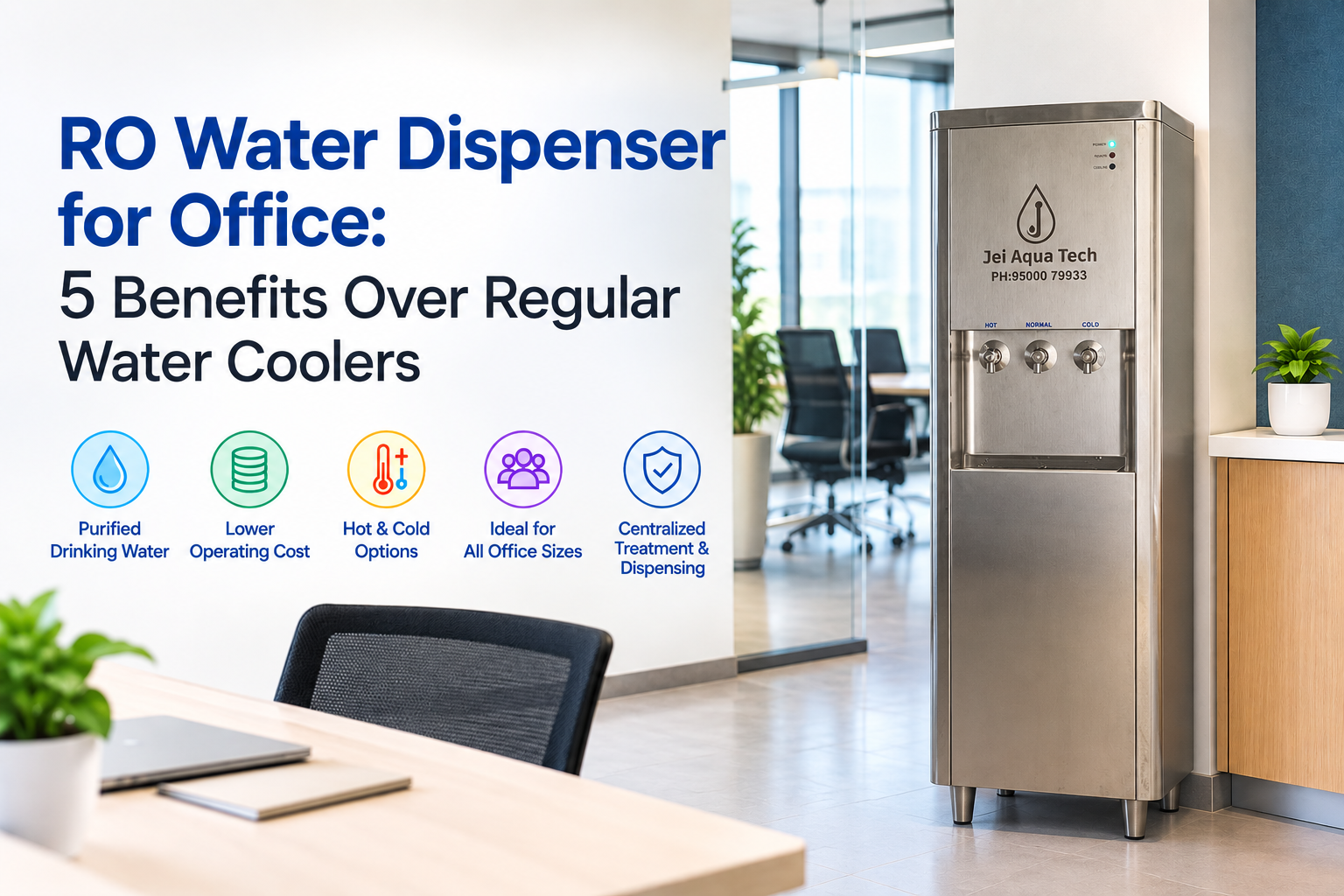
For offices, providing clean and easily accessible drinking water is an important part of maintaining a comfortable workplace. While traditional water coolers can provide chilled water, they may not offer the same level of water purification as an RO water dispenser.
An RO water dispenser for offices combines water purification and dispensing in one convenient system. It can be useful for offices that receive borewell water, municipal water, or water with high dissolved solids (TDS).
In this guide, we will look at five important benefits of using an RO water dispenser instead of relying only on a regular water cooler.
What Is an RO Water Dispenser?
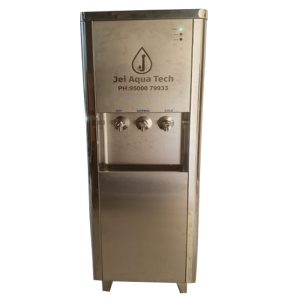
An RO water dispenser is a drinking-water system that combines Reverse Osmosis (RO) purification with a dispensing unit. Depending on the model, it may provide normal, chilled, or hot water.
The RO purification process uses a semi-permeable membrane to reduce dissolved salts and other impurities from the incoming water. Additional filtration stages, such as sediment and activated carbon filters, may also be included.
This makes an RO dispenser different from a conventional water cooler, which is primarily designed to cool or dispense water rather than provide comprehensive purification.
For an office, the right system should be selected based on the incoming water quality, TDS level, number of users, daily water consumption, and required dispensing capacity.
RO Water Dispenser vs Regular Water Cooler
The main difference is the purpose of the two systems.
A regular water cooler generally focuses on cooling and dispensing water, while an RO water dispenser can combine purification, storage, cooling, and dispensing.
Feature | RO Water Dispenser | Regular Water Cooler |
RO purification | Yes, depending on model | Usually no |
TDS reduction | Yes | No |
Chilled water | Available in many models | Yes |
Hot water | Available in selected models | Usually not |
Sediment filtration | Depending on configuration | Usually no |
Activated carbon filtration | Depending on configuration | Usually no |
Suitable for untreated/borewell water | Can be designed for it | Not normally |
Purification + dispensing | Yes | Mainly dispensing/cooling |
The exact filtration stages and features vary between models, so offices should check the technical specifications before installation.
5 Benefits of an RO Water Dispenser for Offices
1. Provides Purified Drinking Water
One of the biggest advantages of an RO water dispenser is that it can purify the incoming water before it reaches the drinking point.
Depending on the system configuration, filtration may include:
- Sediment filtration
- Activated carbon filtration
- Reverse osmosis membrane
- Post-carbon filtration
- UV or other additional treatment
RO technology is particularly useful when the source water contains elevated dissolved solids. The appropriate treatment depends on the results of water testing.
For offices, this means employees can access purified drinking water directly from a centralized system instead of depending entirely on untreated water from a cooler.
2. Reduces the Need for Packaged Drinking Water
Many offices purchase bottled or packaged drinking water for employees and visitors. For workplaces with a large number of users, this can become a recurring operating expense.
A properly sized RO water dispenser can provide purified water from the office’s water supply, reducing dependence on individually purchased bottles.
This can also simplify daily water management because the office can maintain one centralized drinking-water system.
However, the actual savings depend on factors such as:
- Number of employees
- Daily water consumption
- Existing water costs
- Electricity consumption
- Filter replacement
- RO membrane replacement
- Maintenance requirements
A basic cost comparison can help determine whether an RO dispenser is suitable for a particular workplace.
3. Offers Convenient Hot and Cold Water
Modern office water dispensers may provide multiple temperature options.
Depending on the model, users may have access to:
Normal water:
Useful for regular drinking throughout the day.
Cold water:
Convenient during warm weather and for employees who prefer chilled drinking water.
Hot water:
Useful for tea, coffee, and other hot beverages.
This makes a multi-function RO water dispenser a convenient addition to office pantries, reception areas, meeting spaces, and employee break rooms.
Instead of maintaining separate equipment for purification and cooling, one integrated unit can handle several requirements.
4. Suitable for Different Office Sizes
RO water dispensers are available in different capacities and configurations.
A small office with a limited number of employees may require a compact dispenser with a smaller storage capacity. A larger workplace may need a higher-capacity commercial system with larger storage tanks and faster purification.
Before choosing a system, consider:
- Number of employees
- Number of visitors
- Daily drinking-water requirement
- Peak-hour demand
- Source-water quality
- Available installation space
- Required hot/cold/normal water options
For example, an office with 20–30 employees will have different requirements from a factory, call center, hospital, school, or large corporate facility.
Choosing capacity based only on the number of people without considering peak consumption can result in insufficient water availability.
5. Centralized Water Treatment and Dispensing
A major advantage of an RO water dispenser is that purification and dispensing can be integrated into one setup.
Instead of having a separate water purification unit and a separate cooler, an integrated system can provide treated water directly at the dispensing point.
This can make the office drinking-water arrangement more organized.
For businesses, centralized treatment also makes maintenance easier to manage. Filters, membranes, electrical components, storage tanks, and dispensing components can be inspected according to a regular maintenance schedule.
Regular servicing is important because even a good RO system requires periodic filter replacement and cleaning.
How Does an RO Water Dispenser Work?
The exact configuration varies by model, but a typical RO dispenser may follow a process similar to this:
Step 1: Sediment Filtration
The incoming water first passes through a sediment filter. This stage helps reduce suspended particles such as sand, dirt, and rust particles.
Step 2: Activated Carbon Filtration
An activated carbon filter can help reduce chlorine, certain organic compounds, and unpleasant taste and odor.
Step 3: Reverse Osmosis
The pre-filtered water passes through an RO membrane. The membrane reduces dissolved salts and many other dissolved contaminants.
Step 4: Water Storage
The purified water is stored in a suitable internal or external tank depending on the system design.
Step 5: Cooling or Heating
Depending on the dispenser model, water can be cooled or heated before dispensing.
Step 6: Dispensing
Users can obtain water through dedicated normal, cold, or hot-water outlets.
The treatment stages should always be selected according to the source-water quality rather than simply choosing the maximum number of filters.
Where Can an Office RO Water Dispenser Be Used?
An RO water dispenser can be installed in different commercial environments, including:
- Corporate offices
- Small business offices
- IT companies
- Call centers
- Factories
- Showrooms
- Educational institutions
- Clinics
- Training centers
- Commercial establishments
- Reception areas
- Staff cafeterias
For workplaces with high daily consumption, a commercial RO plant with a separate water dispensing system may be more appropriate than a compact countertop dispenser.
What Should You Check Before Buying?
Before selecting an RO water dispenser for office use, check these important factors.
1. Water Source
Identify whether the office receives:
- Municipal water
- Borewell water
- Tanker water
- Mixed water supply
The treatment requirement can vary significantly depending on the source.
2. TDS Level
Test the source water before selecting the RO system. TDS gives useful information about dissolved substances and helps determine whether RO treatment is appropriate.
3. Daily Water Requirement
Estimate the approximate amount of drinking water consumed each day.
Don’t calculate only the average consumption. Consider peak usage during lunch breaks, meetings, and other busy periods.
4. Storage Capacity
The storage tank should be appropriate for the expected demand.
5. Cooling Capacity
If employees prefer chilled water, check the dispenser’s cooling capacity and recovery time.
6. Service and Spare Parts
Choose a system for which filters, membranes, and replacement parts are readily available.
Regular maintenance is essential for maintaining water quality and system performance.
Maintenance of an Office RO Water Dispenser
An RO dispenser should not be treated as a completely maintenance-free appliance.
Important maintenance tasks include:
- Cleaning storage tanks
- Replacing sediment filters
- Replacing activated carbon filters
- Checking the RO membrane
- Checking water quality
- Inspecting pumps and electrical components
- Cleaning dispensing outlets
- Checking leakage
- Sanitizing the system when required
The replacement interval depends on the source-water quality, usage, and manufacturer’s specifications.
If filters are not replaced when required, water quality and system performance can decline.
Is an RO Water Dispenser Better Than a Regular Water Cooler?
The answer depends on the office’s water source and requirements.
If the main requirement is simply cooling already-treated drinking water, a conventional water cooler may be sufficient.
If the office needs water purification along with normal, hot, or chilled dispensing, an RO water dispenser can provide a more integrated solution.
The most suitable option should be selected after checking the source water, TDS, daily consumption, available space, and required features.
Choose the Right RO Water Solution for Your Office
A reliable drinking-water system can make daily water access more convenient for employees and visitors. An RO water dispenser for offices can combine purification and dispensing while offering options such as normal, hot, and chilled water.
For a small office, a compact dispenser may be sufficient. For larger workplaces with higher consumption, a commercial RO system with adequate storage and dispensing capacity may be more suitable.
Jei Aqua Tech provides water purification solutions for offices and commercial establishments in Chennai. The system can be selected based on water quality, capacity, usage, and site requirements.
If you are planning an RO water dispenser installation for your office, start with a water-quality assessment and daily consumption estimate. This helps determine the appropriate purification process and system capacity rather than choosing equipment based only on appearance or price.

Written by Seoadmin

-
Sale Product on sale
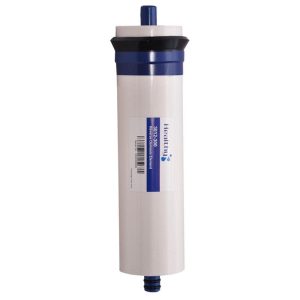
 300 GPD Hi-Tech RO Membrane
₹ 3,500Original price was: ₹ 3,500.₹ 2,700Current price is: ₹ 2,700. -
Sale Product on saleVontron 300 Gpd RO Membrane
₹ 3,500Original price was: ₹ 3,500.₹ 3,000Current price is: ₹ 3,000. -
Sale Product on sale300 Gpd Healthy RO Membrane
₹ 4,200Original price was: ₹ 4,200.₹ 3,700Current price is: ₹ 3,700. -
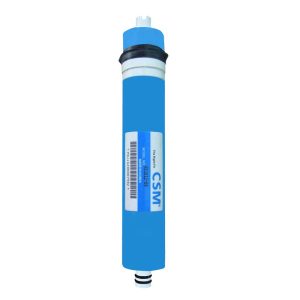
Sale Product on saleCsm 80 GPD Membrane
₹ 2,500Original price was: ₹ 2,500.₹ 1,600Current price is: ₹ 1,600.

-
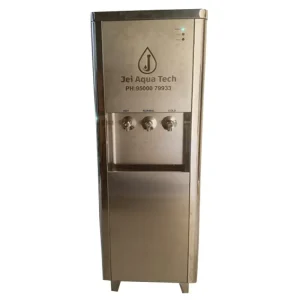
Sale Product on sale50 LPH RO+Hot+Cold Water Dispenser
₹ 82,000Original price was: ₹ 82,000.₹ 75,000Current price is: ₹ 75,000. -
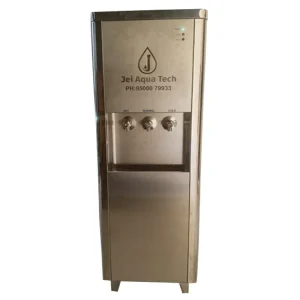
Sale Product on sale25 LPH RO+Hot+Cold Water Dispenser
₹ 66,000Original price was: ₹ 66,000.₹ 64,900Current price is: ₹ 64,900. -
Sale Product on saleNormal+Hot+Cold Water Dispenser
₹ 58,500Original price was: ₹ 58,500.₹ 57,800Current price is: ₹ 57,800.
Leave a Reply
You must be logged in to post a comment.