
The Lifeline of Our Cities: Inside the Modern Water Treatment Plant
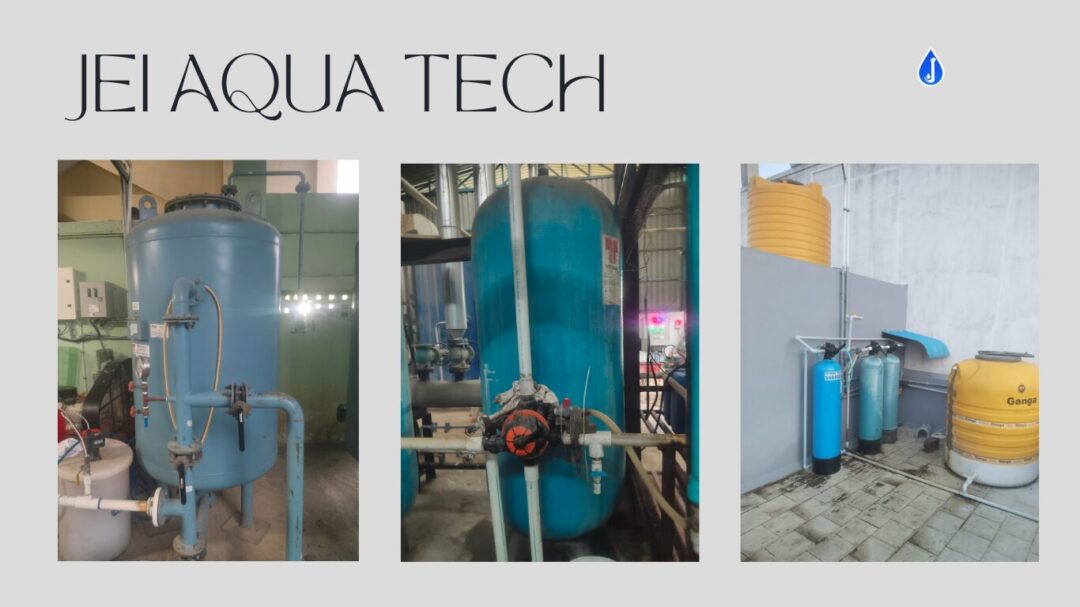
Access to clean, safe drinking water is a cornerstone of modern civilization, a resource we often take for granted with every turn of the faucet. Behind this everyday convenience lies a complex, critical infrastructure: the water treatment plant. These facilities are engineering marvels designed to transform raw water from rivers, lakes, and underground aquifers into a product safe for human consumption, using sophisticated water filtration solutions and rigorous purification methods.
For municipal providers, industrial operations, and homeowners considering their own filtration needs, understanding the mechanics of a water treatment system is essential.
What Exactly Is a Water Treatment Plants?
A water treatment plant is a facility that removes contaminants and undesirable components to improve water quality and make it acceptable for a specific end-use. While many think purely of drinking water (potable water), the industry also encompasses industrial water treatment, where water is purified for manufacturing processes, cooling systems, or agricultural use.
The primary goal is clear: ensure the water meets strict safety standards set by health organizations, effectively eliminating bacteria, viruses, parasites, heavy metals, and suspended solids that can cause disease or operational issues.
The Six Stages of the Water Treatment Process
The journey from a raw water source to your tap is a multi-step process, engineered to tackle different types of contaminants sequentially. While specific configurations vary, the core stages of water purification systems are universally applied:
-
Coagulation and Flocculation
The process begins by stabilizing the water. Raw water contains fine particles (like clay and silt) that are difficult to filter because they are too small and remain suspended.
To address this, plant operators add a chemical coagulant, usually alum or iron salts. This additive neutralizes the electrical charges of the particles, causing them to stick together in larger, heavier clumps called “floc.” This critical step prepares the water for the next phase.
-
Sedimentation
Once the floc has formed, gravity takes over. The water flows gently into large sedimentation basins, where the heavy floc settles to the bottom of the tank. This accumulated sludge is then removed, leaving significantly clearer water above.
-
Filtration
The clarified water is then carefully passed through a water filtration system, which acts like a physical sieve. Modern systems typically use layers of sand, gravel, and sometimes activated charcoal. This stage effectively removes any remaining suspended particles, organic matter, and some bacteria that didn’t settle out during sedimentation.
-
Disinfection
This is arguably the most critical public health step. Even after filtration, microscopic pathogens (bacteria, viruses, and parasites like Giardia) may remain. Disinfection agents, most commonly chlorine or chloramine, are added to the water to kill these harmful microorganisms. The correct amount is crucial to ensure residual protection as the water travels through miles of pipes to reach homes and businesses.
-
pH Correction and Stabilization
Water naturally has a specific pH level. It’s important to adjust and stabilize the water’s pH before distribution. This prevents the water from being too corrosive (which can leach metals like lead from pipes) or too basic (which can cause scaling).
-
Storage and Distribution
The treated, safe water is stored in sealed clear wells or elevated water towers. From there, powerful pumps push it through a vast network of underground mains—a system that ensures you have clean water available whenever you need it.
Why the Distinction Between Water and Wastewater Treatment Plants?
It is important to differentiate between a water treatment (treating water coming in for drinking) and a wastewater treatment plant (treating water going out after use).
Wastewater treatment plants focus on cleaning sewage and industrial runoff before safely returning it to the environment (rivers, lakes, or oceans), minimizing pollution and adhering to environmental regulations. These facilities are just as essential for ecological balance as drinking water plants are for human health.
The Role of Technology in Modern Water Management
The industry is constantly evolving. Modern water treatment companies leverage cutting-edge technology, including advanced membrane filtration (reverse osmosis, nanofiltration) and UV light disinfection, to tackle emerging contaminants like microplastics and persistent chemicals (PFAS).
For homeowners interested in their water quality, utilizing a whole house water filter can add an extra layer of confidence right at the point of entry to your home.
Conclusion
The ubiquitous tap is connected to a complex, dedicated system designed purely to protect us. The next time you fill a glass with crystal-clear water, take a moment to appreciate the science, engineering, and infrastructure of the water treatment plant that makes that simple action possible. It is a true testament to public health infrastructure and our ongoing commitment to clean, safe water for everyone.


-
Product on sale
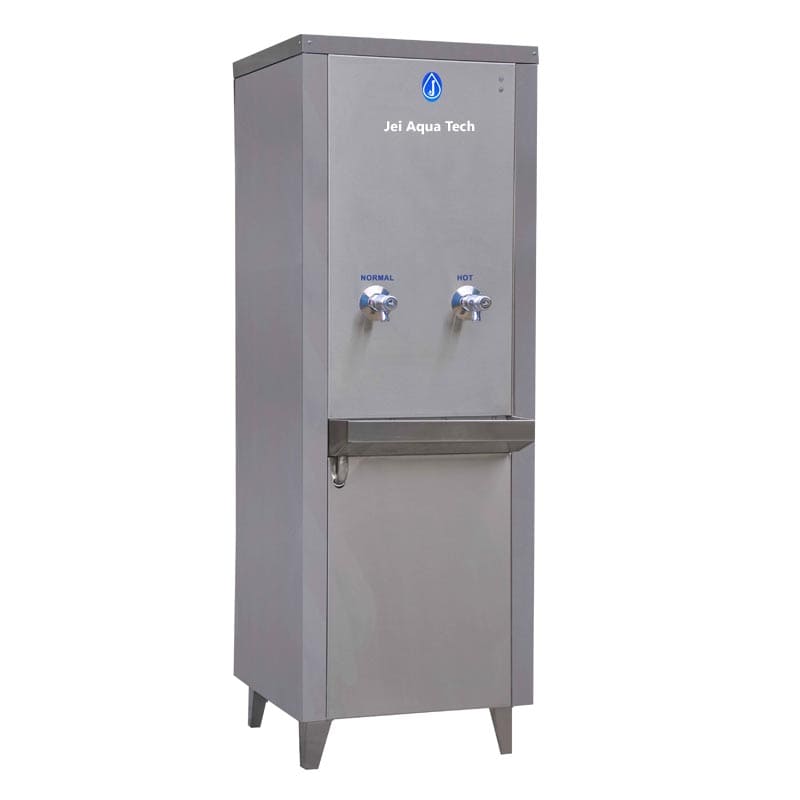
 RO+HOT Water Dispenser 50-LPH-ROOriginal price was: ₹ 56,700.₹ 53,450Current price is: ₹ 53,450.
 -
Product on saleRO+HOT Water dispenser 25 LPH ROOriginal price was: ₹ 46,500.₹ 44,500Current price is: ₹ 44,500.
-
Product on saleRO+HOT Water Dispenser 12 lph ROOriginal price was: ₹ 37,000.₹ 30,000Current price is: ₹ 30,000.
Leave a Reply
You must be logged in to post a comment.